Deck Painting
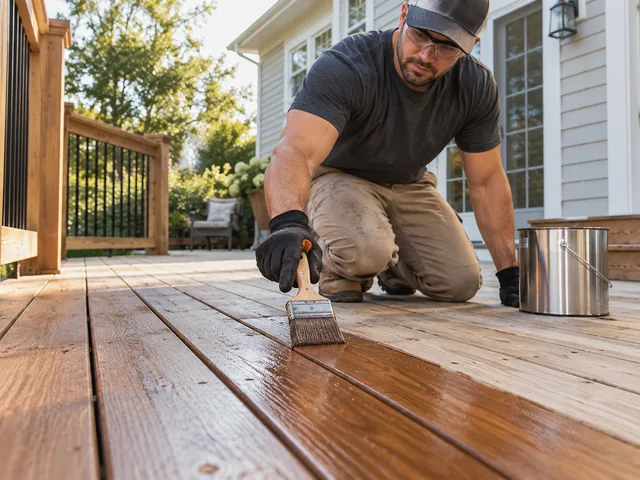
Decks cleaned, prepped and stained or painted to get through winter.

Serving Essex & Union County, NJ
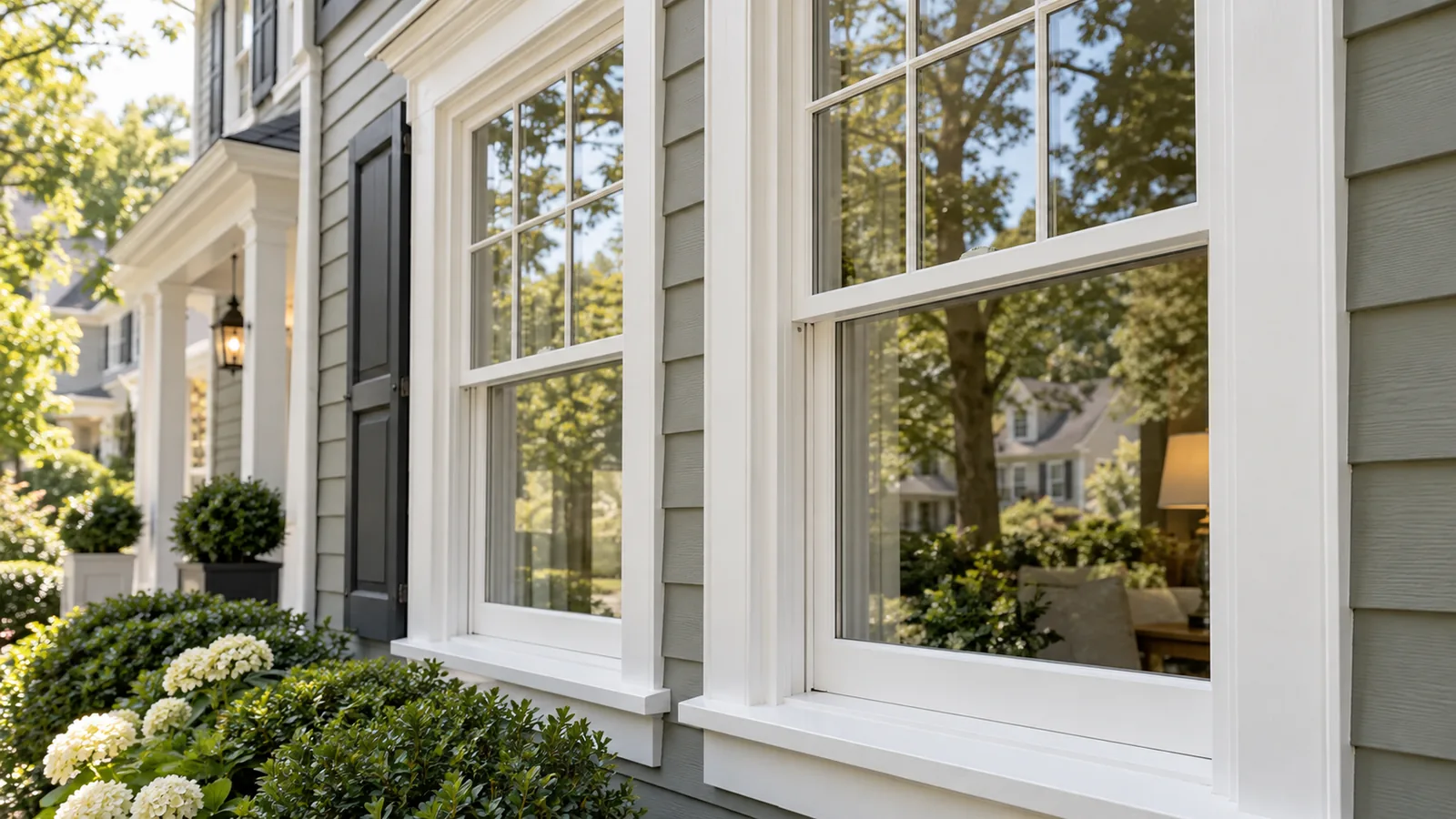
Window frames, sashes and trim scraped, primed and painted, then opened and closed before we leave, so they still work once the paint dries.
Get a window painting quote
Window painting refinishes window frames, sashes, sills and trim so the wood is sealed against water and the windows still open and close. Csiszer Property Maintenance, an insured handyman company serving Essex County and Union County, NJ, paints windows inside and out and opens and closes every sash before leaving.
It's detailed painting of the moving and fixed parts of a window: sashes, frames, sills, stops and casings. It's part of our painting services, so you don't need to bring in separate house painters just for the windows.
Windows are harder to paint well than any other surface in the house. The sashes move, the channels rub, the glass has to stay clean, and the sill takes more water and sun than almost anything else. Paint that's too thick in the tracks seals the window shut; paint that stops short of the glass lets water reach the wood and the glazing.
Many older houses across Essex County and Union County still have their original double-hung wood windows, often under many layers of paint. They're usually worth keeping, and the prep decides how long the new paint lasts: loose layers scraped, bare wood primed and stuck sashes freed before any finish coat goes on.
Upper and lower sashes cleaned, lightly sanded and painted, with the paint lapped onto the glass edge.
Frames, stops and jambs painted with thin coats so the sashes slide freely afterward.
Interior casings and exterior trim caulked at open joints and painted to match the house.
Weathered sills scraped, bare wood primed and painted so rain runs off instead of soaking in.
Old paint seals cut along the sash so the window can open before and after the new paint.
Interior sides painted most of the year; exterior sides scheduled around dry, mild weather.
Windows need painting when the wood starts to show, the paint cracks or the sashes won't move. These are the six signs we see most.
A sash that won't budge usually has paint bridging the gap. It's cut free before the new paint goes on.
Sills lose paint first because they hold water. Bare, gray wood on a sill is the first step toward rot.
Hairline cracks where the paint meets the glass let water behind the glazing and into the sash.
A scaly, cracked pattern means many old layers have lost their bond. Loose paint has to come off first.
Condensation in winter leaves dark spots on interior sills. Cleaned, primed and repainted, they wipe clean.
Window trim frames the whole front of the house. Fresh trim changes how it looks in listing photos.
Our window painting takes five steps: photos or a description, a review of the windows (or a visit at no charge), a written quote, prep, then paint and a final open-and-close check.
Text or upload close-ups of the windows inside and outside, the worst peeling spots and any sash that sticks.
We check the wood, the glazing, stuck sashes and the heights. If the photos show enough, we write the quote; if the job needs a closer look, we visit first, at no charge.
You get a written quote with the number of windows and sides. Approve it and choose a weekday between 8 AM and 5 PM.
Stuck sashes are freed, loose paint scraped, and bare wood primed. Glass edges are masked or cut in by hand.
Sashes are moved while the paint dries, every window is opened and closed, and paint is cleaned off the glass.
Every window painting job includes scraping loose paint, primer, paint on frames, sashes and trim, and freeing the sashes afterward. The only things left out are jobs the law reserves for a licensed or certified pro.
Included
Not included: needs a licensed or certified pro
Window painting cost depends on the number of windows, their condition, inside, outside or both, and the height. Close-ups help us review the job, and the price is in writing before anything is scheduled.
Windows are priced by the work each one needs, not by square footage. A double-hung window with divided lites, a stuck sash and a peeling sill takes much longer than a single pane in good shape, because every muntin and glass edge is cut in by hand.
Height and access change the job as well. Ground-floor windows reached from inside are the simplest; second-floor exterior sides need ladder setup at each window. Grouping all the windows on one side of the house into one visit is usually the most efficient way to plan it.
| Factor | How it affects the price | Example |
|---|---|---|
| Number of windows | More windows in one visit spread setup and drying time | One bay window vs. every front window |
| Condition | Peeling, cracked or stuck windows need more scraping and freeing | Sound paint vs. a sash painted shut |
| Inside, outside or both | Each side is a separate round of prep and paint | Interior only vs. both sides |
| Height | Upper-floor exterior sides need ladder setup at each window | First floor vs. second-floor dormers |
| Divided lites | Every muntin and glass edge is cut in by hand | A single pane vs. six-over-six sashes |
| Trim included | Casings, stools and aprons add detailed brush work | Sash only vs. sash and full casing |
Painting whole rooms too? See our guide to the cost to paint a room in NJ.
Most window paint problems come from too much paint in the wrong places and too little at the glass and sill. Here's what to avoid, when to paint or replace, and how to get ready.
Six mistakes cause most window paint problems: closing the sash while it's wet, thick paint in the channels, stopping short of the glass, painting over failed glazing, skipping primer on the sill and painting the sash cords.
A sash left closed while the paint dries bonds to the stop. Sashes are moved until the paint has set.
Heavy coats where the sash slides make it bind. The tracks get a thin coat or are left as they are.
A small lap of paint onto the glass seals the glazing. Without it, water reaches the wood behind.
Paint can't hold loose or missing glazing in place. It gets flagged before paint so it can be handled first.
Bare sill wood soaks up finish paint and peels fast. Primer first, then paint that sheds water.
Paint on cords and pulleys stiffens them and stops the sash from balancing. They're kept free of paint.
Paint when the wood is solid and the sashes move; replace when the sash or frame has failed. For more on keeping old sashes working, read painting old wood windows without sealing them shut.
Six things that make the day faster. Rotted sills? Wood rot repair comes before paint.
Choose us for window painting because every sash is checked before we leave, and you see the price in writing first.
Window frames, sashes, sills and trim are painted inside and out by an insured handyman company.
Each window, inside, outside or both, goes on one written quote before anything is scheduled.
Sashes are moved while the paint dries and tested before we leave, so none is left painted shut.
Paint laps just onto the glass to seal the glazing, and the rest of the glass is cleaned off.
Original double-hung sashes are freed, scraped and primed, so they keep working under the fresh paint.
Bare wood on the sill is primed and painted so rain and snow run off instead of soaking in.
These are the questions people ask most before their windows are painted. Outdoor wood too? See our deck painting service and fence staining.
It depends on the number of windows, their condition, whether it's inside, outside or both, and the height. Send close-ups or describe the job: if the photos show enough, you get a written quote; if it needs a closer look, we visit first, at no charge. Either way, the price is in writing before anything is scheduled.
No. Sashes are moved while the paint dries so they keep sliding, and the channels get only a thin coat. Before we leave, every painted window is opened and closed.
Sometimes. Aluminum frames can take paint after a thorough cleaning and a primer made for metal. Vinyl needs a paint rated for vinyl, and very dark colors can make it warp in the sun, so the quote says whether painting makes sense for your frames.
Solid wood windows are often worth repainting. Rotted sills can be repaired first under wood rot repair. If the sashes are rotted through or the frame is failing, replacement makes more sense.
Csiszer Property Maintenance, an insured handyman company serving Essex County and Union County, NJ, can often free them. The paint seal is cut along the sash so it can move again before new paint goes on. If a cord or balance is broken, window repair fixes it.
Both, or just one side. Inside work can be done most of the year; outside work waits for dry weather in the range printed on the paint label.
Sills hold rain and snow and take the most sun, so the paint breaks down there before anywhere else. Bare wood is primed and the sill is painted so water runs off instead of soaking in.
Yes. Sashes, sills and window trim are often repainted between tenants, together with the walls, so the unit looks fresh for showings. See our rental turnover services.
After. Walls go first so roller spatter doesn't land on fresh trim, then windows and casings. Both can be done in one visit with interior painting.
Yes. Share the paint name and sheen and the windows, casings and doors can be painted to match. Doors are covered in more detail under door painting.
Still have a question about your windows?
Send it with a photo. We answer by phone, text or email, Monday to Friday, 8 AM to 5 PM.
If the deck, the fence or the rooms inside need paint too, one of these covers it in more detail.
Decks cleaned, prepped and stained or painted to get through winter.
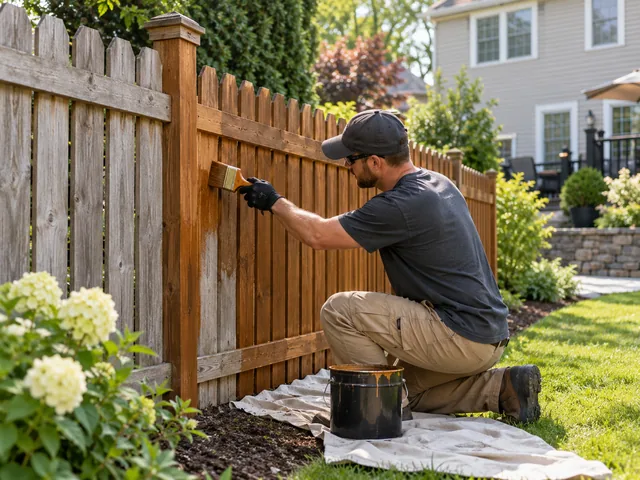
Wood fences stained or painted to stop graying, peeling and early rot.
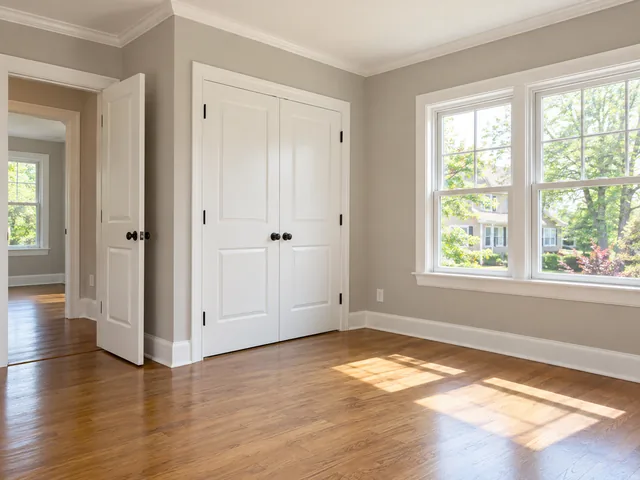
Rooms, walls and ceilings painted, with patching and prep done first.
Send close-ups of the windows inside and out and the worst peeling spots, or describe the job, and request your free window painting quote. If the photos show enough, you get a written quote; if the job needs a closer look, we schedule a visit first, at no charge.
Request a window painting quote