Handyman Cost NJ: What Sets the Price in Essex County
Time, materials, access and older-home surprises: what moves handyman cost in NJ, and how to lower it before you ask.

Handyman Hiring Guides
Handyman estimate photos are the pictures you send so a handyman can price a job without guessing: a wide shot for context, a close-up of the problem and a shot with a tape measure for scale. With those three, plus a few written details, many small repairs can be quoted before anyone comes to the house, and when photos leave questions, a visit at no charge fills the gap. Below is exactly what to photograph for each type of job.
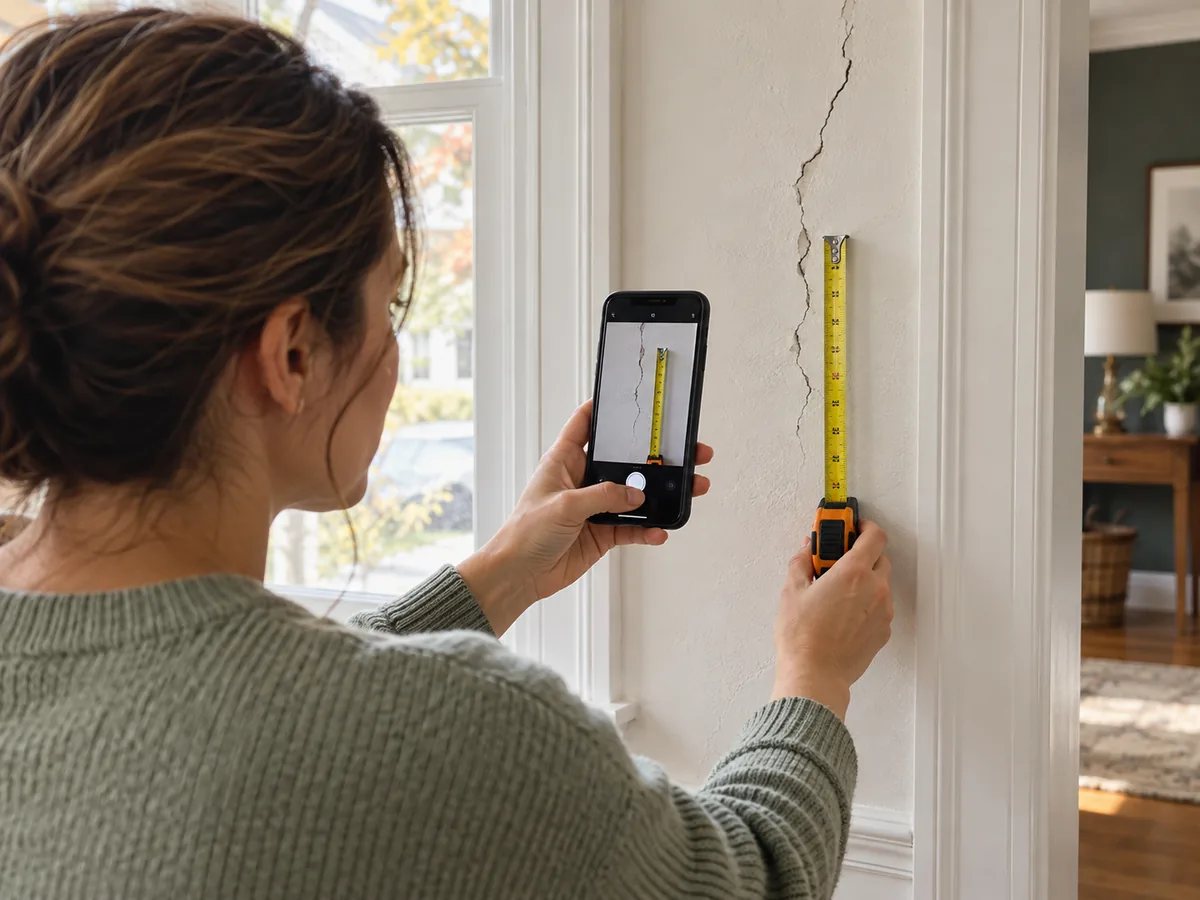
Every job needs a wide shot, a close-up and a scale shot. Together they show where the problem is, what it looks like and how big it is, which are the three things a quote depends on.
Stand back far enough to show the whole wall, door, ceiling or section of deck, plus a little of what is around it. The wide shot answers questions a close-up can't: how high the ceiling is, what furniture is in the way, whether the damage is near a window, a light or a corner.
Move in until the damage fills about half of the frame, then tap the screen to focus on it. A sharp close-up shows whether a crack is a hairline or open, whether a hole has torn paper around it, or whether grout is only dirty or actually missing.
Hold a tape measure, a ruler or even a dollar bill next to the damage. Without a reference, a 2-inch hole and an 8-inch hole look the same in a photo, and they are very different jobs.
Each type of job has one or two extra shots that help us review it. Use this table as a shot list for the jobs around the house.
| Job | Extra photos | Measure or note |
|---|---|---|
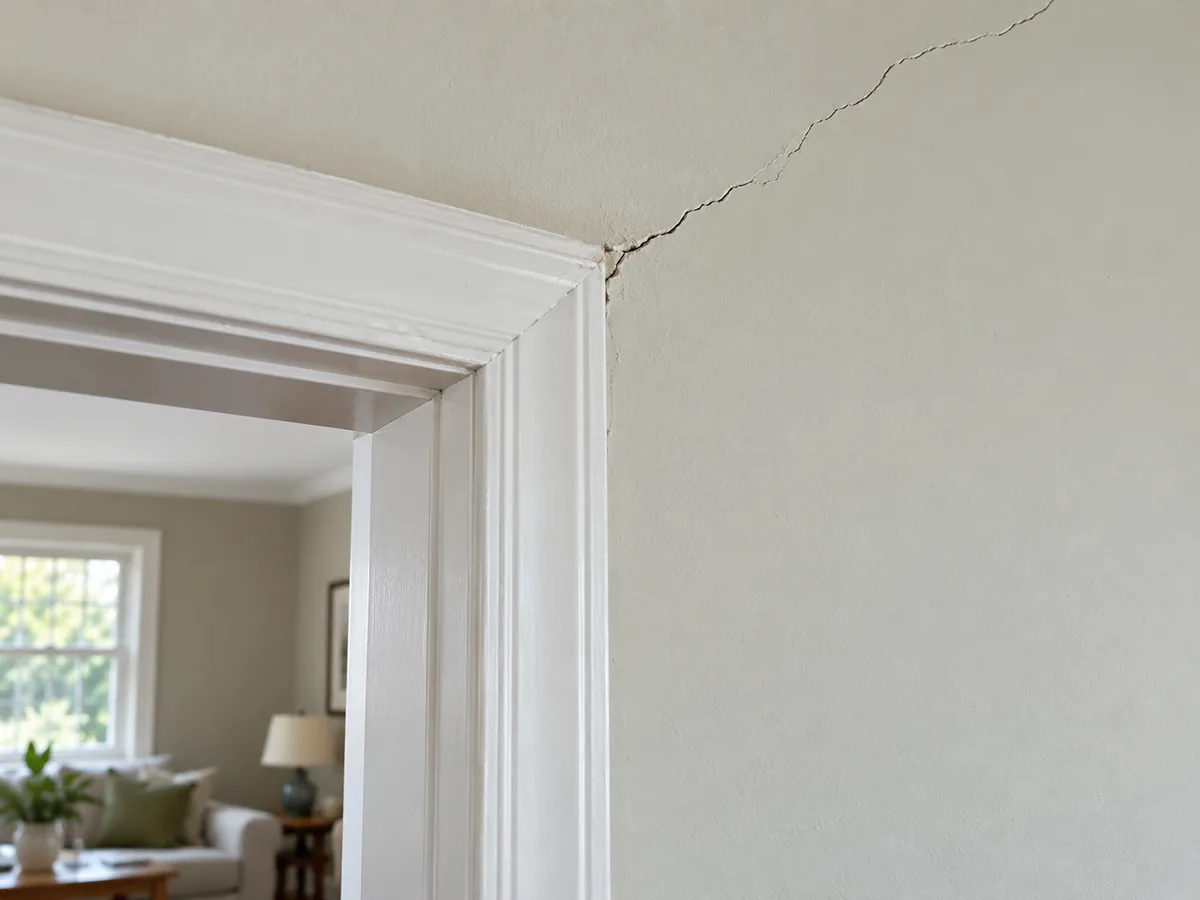
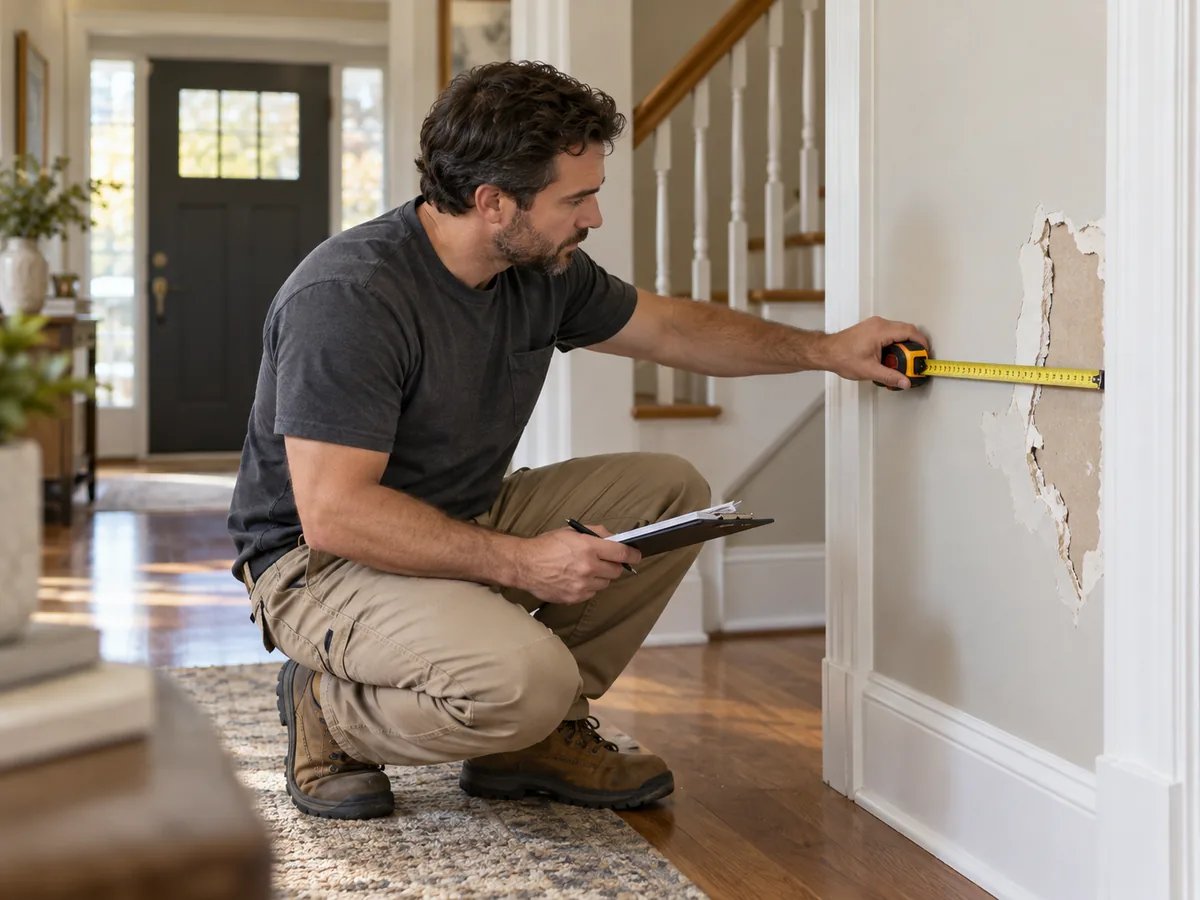
| Drywall or plaster hole or crack | Side angle with light across the wall to show texture | Size of the damage; drywall or plaster if you know |
| Ceiling crack or water stain | The floor or roof area above, if you can reach it | Ceiling height; whether the leak is already fixed |
| Door that sticks or won't latch | The gap at the top and sides with the door closed; the hinges | Where it rubs; whether it changes with the season |
| TV or shelf mounting | The full wall, nearby outlets and the TV or shelf box label | TV size and weight; wall type; mounting height |
| Caulk, grout or cracked tile | The corners and the bottom row where water sits | Number of cracked tiles; spare tiles on hand |
| Deck boards or fence section | The whole deck or fence line and the posts at ground level | Number of boards or sections; any soft spots |
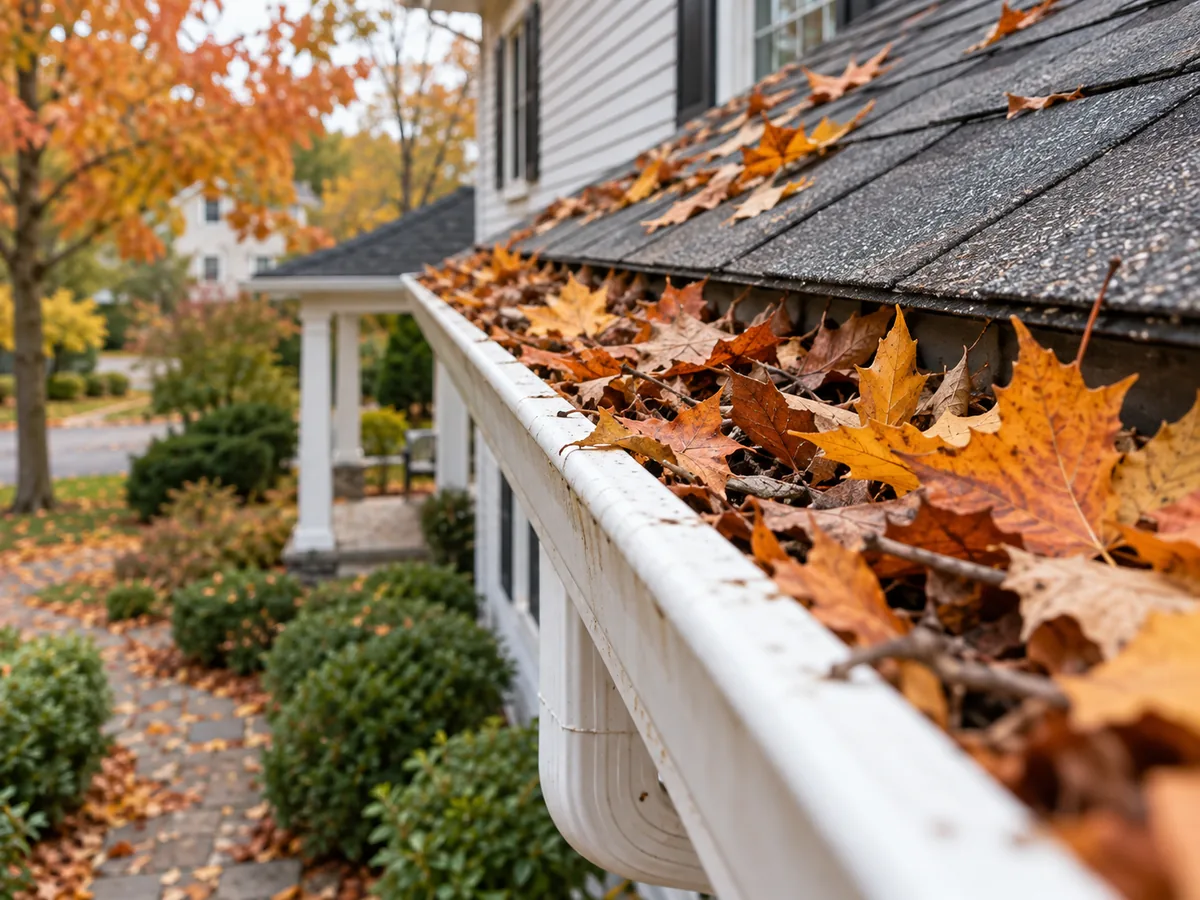
| Gutters and trim | The roofline from the ground and each downspout | Number of stories |
| Painting a room | Each wall and the ceiling, plus trim and doors | Room size; current and new color |
Rough measurements taken with a tape measure are enough; nobody expects exact numbers. They help the handyman bring the right materials and the right ladder on the first visit.
If you can't measure, say so. A photo with a common object next to the damage, like a light switch plate, still gives a useful sense of scale.
Some of the most important facts for a quote are not visible in any photo. A few written lines with your photos prevent most follow-up questions.
The age of the house changes how some jobs are done. Older homes in Essex County tend to have plaster walls, which are repaired differently from drywall, along with original wood windows and frames that are rarely square. Knowing the age helps the quote plan for the right materials and the right amount of time.
A crack that appeared after a storm, a door that only sticks in summer or a stain that grows after rain each points to a different cause. Say when you first noticed it and whether it is getting worse. If a stain came from a leak, say whether the leak has been fixed.
If the job is close to an outlet, a light or a pipe, include it in the wide shot. In New Jersey, electrical work at 10 volts or more is reserved for contractors licensed by the Board of Examiners of Electrical Contractors. Our guide on whether a handyman can do electrical work in NJ explains where that line falls.
Mention stairs, pets, tight parking or a locked gate, and say if you already have paint, tile, hardware or the item to be mounted. It saves a trip to the store and a second visit.
Most quotes that stall do so because of the photos, not the job. These are the mistakes that lead to extra questions or a visit that could have been skipped.
Shoot in daylight with the room lights on, hold the phone level, and take a slow video of about 20 seconds for anything that moves, like a door, a window or a loose railing.
Send your photos by phone, text or the website, with your town and a line about each job. Csiszer Property Maintenance, an insured handyman company serving Essex County and Union County, NJ, replies within 1–2 business days, Monday to Friday, 8 AM to 5 PM.
Send every job at once, even the small ones. Our small jobs service quotes them together as one visit, and our guide on the handyman minimum charge explains why grouping jobs lowers the cost per task. We review everything: if the photos show enough, you get a free written quote; if a job needs a closer look, we schedule a visit first, at no charge, and the written quote follows.
These are the questions homeowners ask most before they send photos with a quote request.
Three per job is enough for most repairs: one wide shot, one close-up and one with a tape measure for scale. Add one or two more for anything behind or around the damage, like the ceiling above a stain.
It depends on the job. For many small repairs and installations, yes, when the photos show the whole area, the damage and a measurement. If the cause is hidden or the photos leave questions, we schedule a visit first, at no charge, and then send the written quote. Either way, the price is in writing before any work is scheduled.
Send both when you can. A short, slow video of about 20 seconds shows how rooms connect and how a door or window moves, while photos show detail and measurements more clearly.
A rough measurement helps a lot. Put a tape measure in the photo for the size of a hole or crack, and write down the height of the ceiling or wall for painting, mounting and ladder work.
Describe what you see and when it started, and photograph the area around it. A stain, crack or sticking door often points to a cause that the handyman can spot in the photos or confirm on a visit.
This guide was written by Joyce Parpinelli, SEO Strategist and Content Editor, and reviewed for accuracy by Victor Ramirez, founder of Csiszer Property Maintenance.

Joyce writes and edits the home repair guides for Csiszer Property Maintenance. She is the founder of WebJoy Sites and spent more than 15 years in aviation customer service and training before moving into SEO and content.
Read Joyce's Author Profile
Victor founded Csiszer Property Maintenance in New Jersey in 2024 and reviews every guide for accuracy on the job. [PREENCHER: experiência e especialidades do Victor]
Meet the Team Behind Our GuidesKeep going with the guides homeowners read next: what sets the price, minimum charges and who to call for bigger projects.
Time, materials, access and older-home surprises: what moves handyman cost in NJ, and how to lower it before you ask.
Gutters, weatherstripping, deck boards and exterior caulk: the fall jobs that protect a New Jersey home before the first hard freeze.
Hairline, diagonal, horizontal or stair-step: how to read a wall crack, track it and know when to call an engineer.
Send a wide shot, a close-up and a tape measure for each job, plus your town, or describe the work. We review it: if the photos show enough, you get a free written quote; if the job needs a closer look, we schedule a visit first, at no charge. Either way, the price is in writing before any work is scheduled.