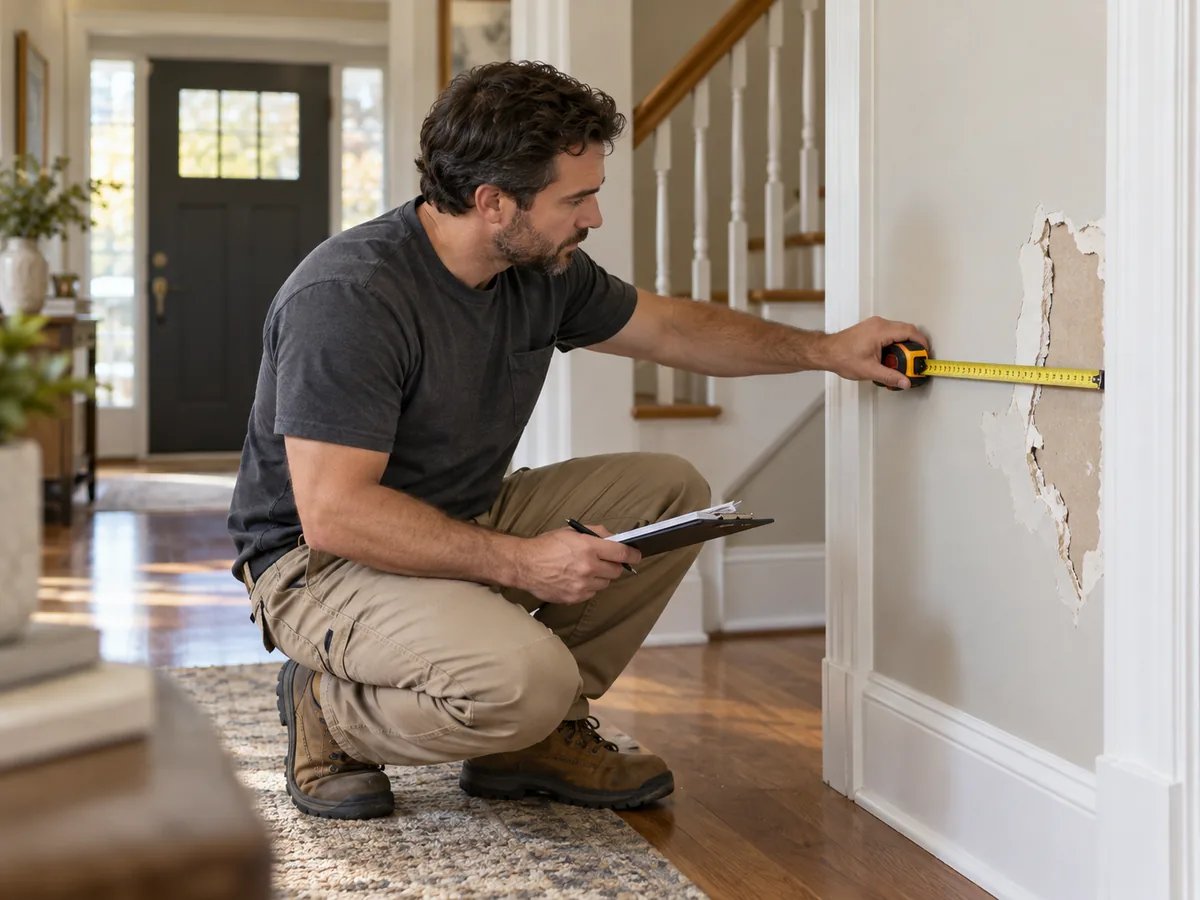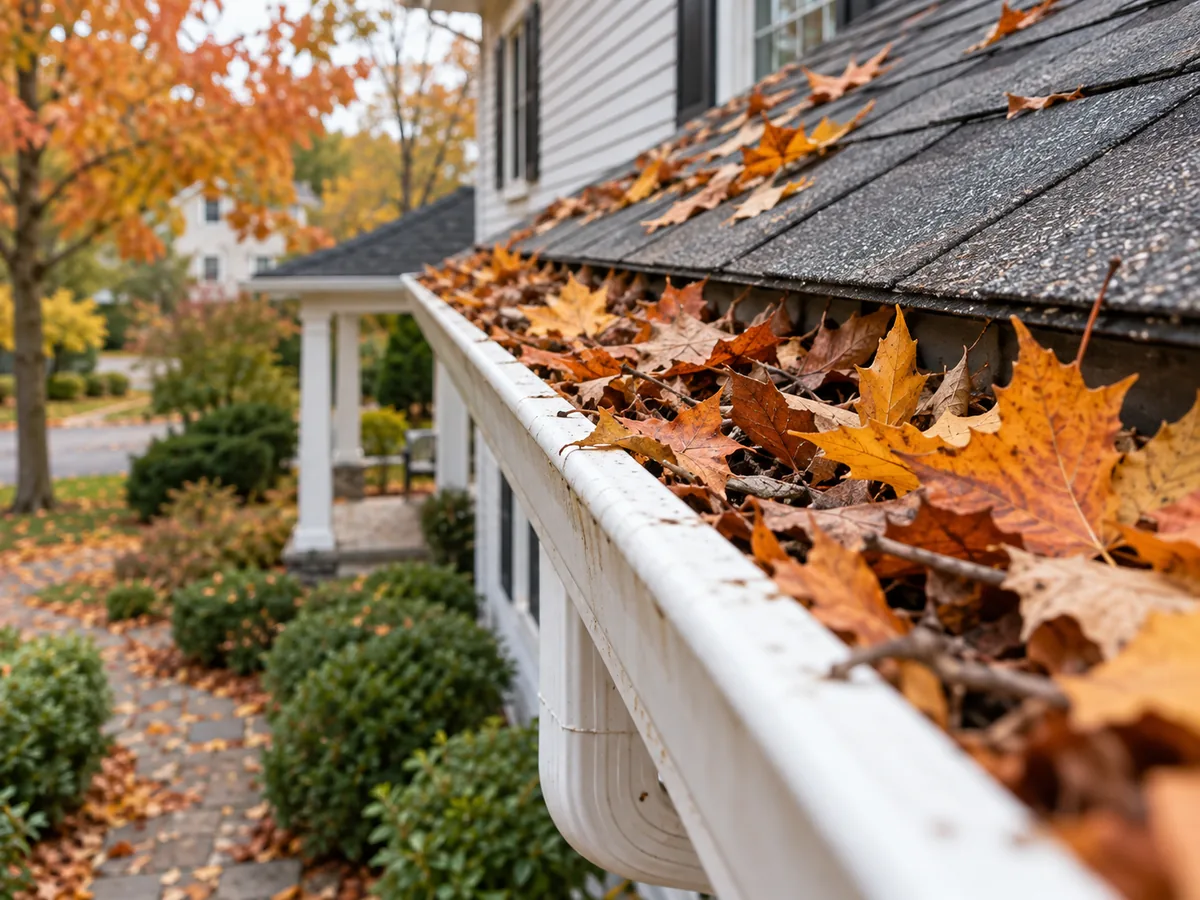
Fall Home Maintenance Checklist for New Jersey
Gutters, weatherstripping, deck boards and exterior caulk: the fall jobs that protect a New Jersey home before the first hard freeze.

Walls and Paint Tips
Knowing wall cracks: when to worry comes down to three things: the shape of the crack, whether it is growing and what else is changing in the house. Most thin cracks at seams, corners and above doors are cosmetic and come from drying, seasonal movement and normal settling. Cracks that widen, run horizontally, step through masonry or come with sticking doors deserve a look from a structural engineer before anyone patches them.
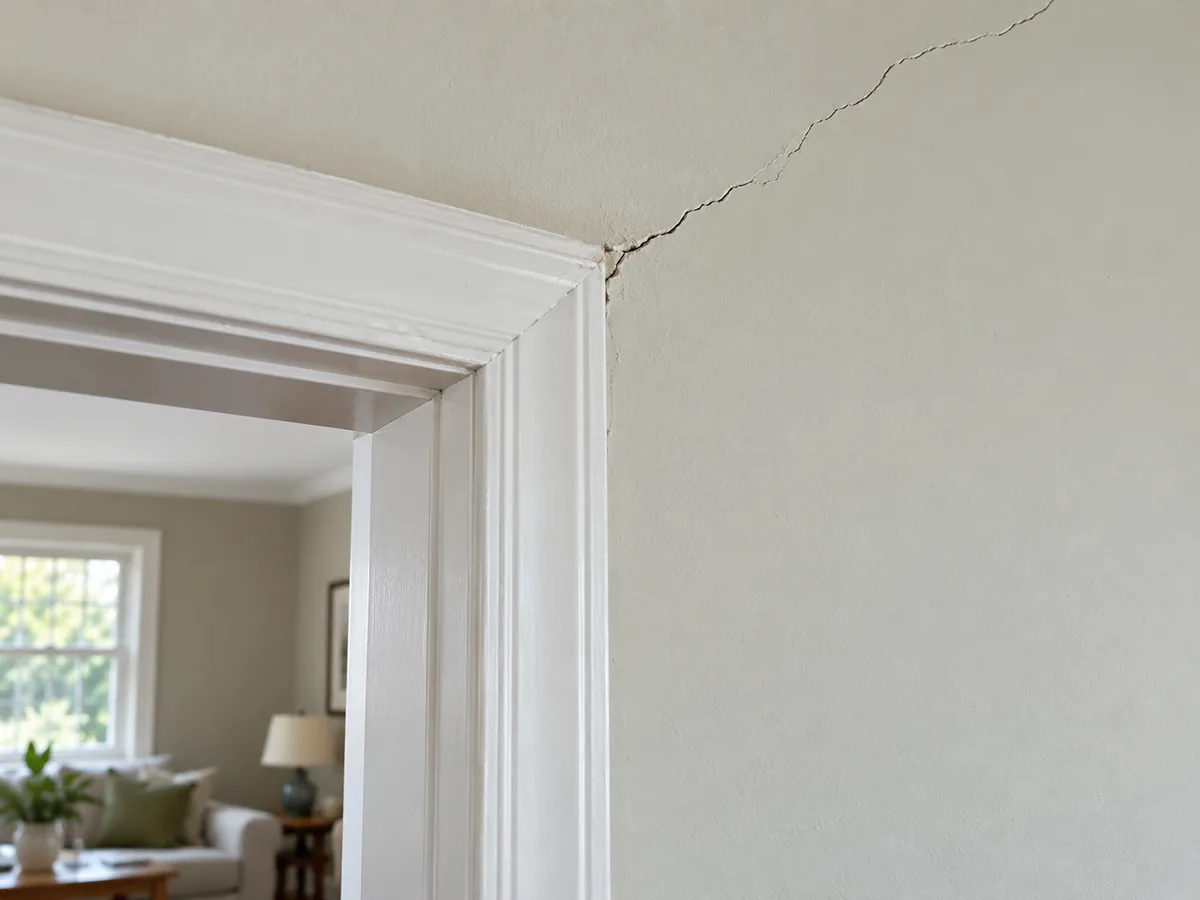
Walls crack because a house is always moving a little: wood framing shrinks and swells with humidity, the building settles and heat cycles push on seams and corners. Drywall and plaster are stiff, so they crack where that movement concentrates.
New Jersey swings from humid summers to dry, heated winters. During the heating season, indoor air gets dry, lumber loses moisture and joints open slightly. That is why many homeowners notice new cracks in January and see them tighten again by July. These cracks tend to be thin, show up in the same places year after year and rarely grow in length.
Cracks start at weak points. In drywall, that means tape seams, inside corners and the corners of door and window openings, where the sheet is cut and stress gathers. In plaster, it means the same openings plus any place where the keys holding the plaster to the lath have broken. Not sure which material you have? Our guide on plaster or drywall walks through a five-step test.
Two other causes are easy to miss. A slow leak can soften drywall or break plaster keys, and the crack shows up before the stain does. Screws and nails that back out of the studs create nail pops: small round bumps or short cracks in a line. Both are repairable, but a leak has to be found first. If you see brown edges or bubbling paint near a crack, read about what to do with a water stain on ceiling surfaces and walls before patching.
The shape and direction of a crack give the best first clue. The table below shows the common patterns, what usually causes them and what the usual next step is. It is a starting point for a conversation, not a diagnosis.
| Crack pattern | Common cause | Usual next step |
|---|---|---|
| Hairline vertical crack at a seam | Seasonal movement, tape losing its bond | Cosmetic repair: retape and finish |
| Short diagonal from a door or window corner | Stress at the opening, normal settling | Cosmetic repair if it is not growing |
| Row of small round bumps or short cracks | Nail or screw pops | Reset fasteners, patch |
| Spider-web cracks in old plaster | Age, broken keys, vibration | Stabilize plaster, then patch |
| Crack along the wall-ceiling corner | Framing movement between floors or roof | Watch it; cosmetic repair if stable |
| Long diagonal crack that keeps widening | Possible structural movement | Structural engineer before repair |
| Horizontal crack across a wall | Possible pressure or framing issue | Structural engineer before repair |
| Stair-step crack in brick or block | Possible foundation movement | Structural engineer before repair |
Width alone is a poor guide, because a thin crack that grows every month matters more than a wider one that has not changed in ten years. That is why tracking a crack for a while is worth more than any single measurement.
A crack needs a structural engineer, not just a patch, when it is changing or when other parts of the house are changing with it. These signs do not mean something is wrong, but they are the ones worth a professional opinion.
In New Jersey, structural evaluations are done by licensed professional engineers. You can confirm a license with the New Jersey State Board of Professional Engineers and Land Surveyors. A handyman, including us, repairs the wall surface; deciding whether the structure is sound belongs to the engineer.
Tracking a crack for two to three months tells you whether it is stable or moving, which is the most useful fact you can bring to an engineer or a repair quote. It takes a pencil, a phone and a few minutes a month.
If the crack passes your pencil marks or the photos show it getting wider, stop there and call an engineer. If nothing changes over a full season, it is very likely cosmetic, and the same photos help us review the repair without guesswork.
Cracks overhead follow many of the same rules, with a few of their own, such as truss movement and sagging. Our guide on what causes ceiling cracks and how they get repaired covers them.
A cosmetic crack is repaired by reinforcing it, not just filling it: the loose material comes out, the crack gets tape or mesh, and new compound is feathered, textured and primed so the patch disappears under paint.
For a cracked seam, the old loose tape is cut away, new tape is embedded in joint compound and two or three thin coats are feathered out wider than the crack. Nail pops get a new screw next to the old fastener, and the bump is flattened and patched. Corner cracks at doors and windows are often reinforced with mesh because they sit where the wall flexes most.
In plaster, the area around the crack is checked for looseness first. If the plaster moves when pressed, it is reattached to the lath before anything else. Then the crack is opened slightly, bridged with mesh and built up in layers. Skipping that step is the most common reason a plaster crack comes back.
These are the questions homeowners ask most when a new crack appears.
Usually, yes. Thin cracks at drywall seams, above doors and windows, or in old plaster are common as a house dries out, heats and cools, and settles. If a hairline crack stays the same size over several months, it is almost always cosmetic.
Call one when a crack keeps getting wider or longer, when one side of the crack sits higher than the other, when it runs horizontally or in a stair-step through masonry, or when doors and windows start sticking at the same time. A licensed professional engineer can tell you whether the structure is involved.
Most return because the patch was only filled, not reinforced. Drywall seams need new tape, and plaster cracks need the loose area stabilized before filling. A crack that reopens right away can also be a sign that something is still moving and should be checked.
Often, yes. Indoor heat dries the air and wood framing shrinks slightly, so seams and corners can open during the heating season and close up a bit in humid summer months. Seasonal cracks that open and close by small amounts are usually cosmetic.
Yes, for cosmetic cracks in drywall and plaster. A handyman can retape seams, reset nail pops, stabilize plaster and blend the patch into the wall. Cracks linked to foundation or framing movement should be evaluated by a structural engineer first.
This guide was written by Joyce Parpinelli, SEO Strategist and Content Editor, and reviewed for accuracy by Victor Ramirez, founder of Csiszer Property Maintenance.

Joyce writes and edits the home repair guides for Csiszer Property Maintenance. She is the founder of WebJoy Sites and spent more than 15 years in aviation customer service and training before moving into SEO and content.
Read Joyce's Author Profile
Victor founded Csiszer Property Maintenance in New Jersey in 2024 and reviews every guide for accuracy on the job. [PREENCHER: experiência e especialidades do Victor]
Meet the Team Behind Our GuidesKeep going with the guides homeowners read next: ceiling cracks, water stains and plaster walls.
Gutters, weatherstripping, deck boards and exterior caulk: the fall jobs that protect a New Jersey home before the first hard freeze.
A wide shot, a close-up and a tape measure: the photos and details that help a handyman review your job and, when they show enough, quote it without a visit.
Time, materials, access and older-home surprises: what moves handyman cost in NJ, and how to lower it before you ask.
Send a close-up of the crack with a ruler for scale and a photo of the whole wall by phone, text or the website, or describe the crack. We reply within 1–2 business days: if the photos show enough, you get a free written quote; if the crack needs a closer look, we schedule a visit first, at no charge.