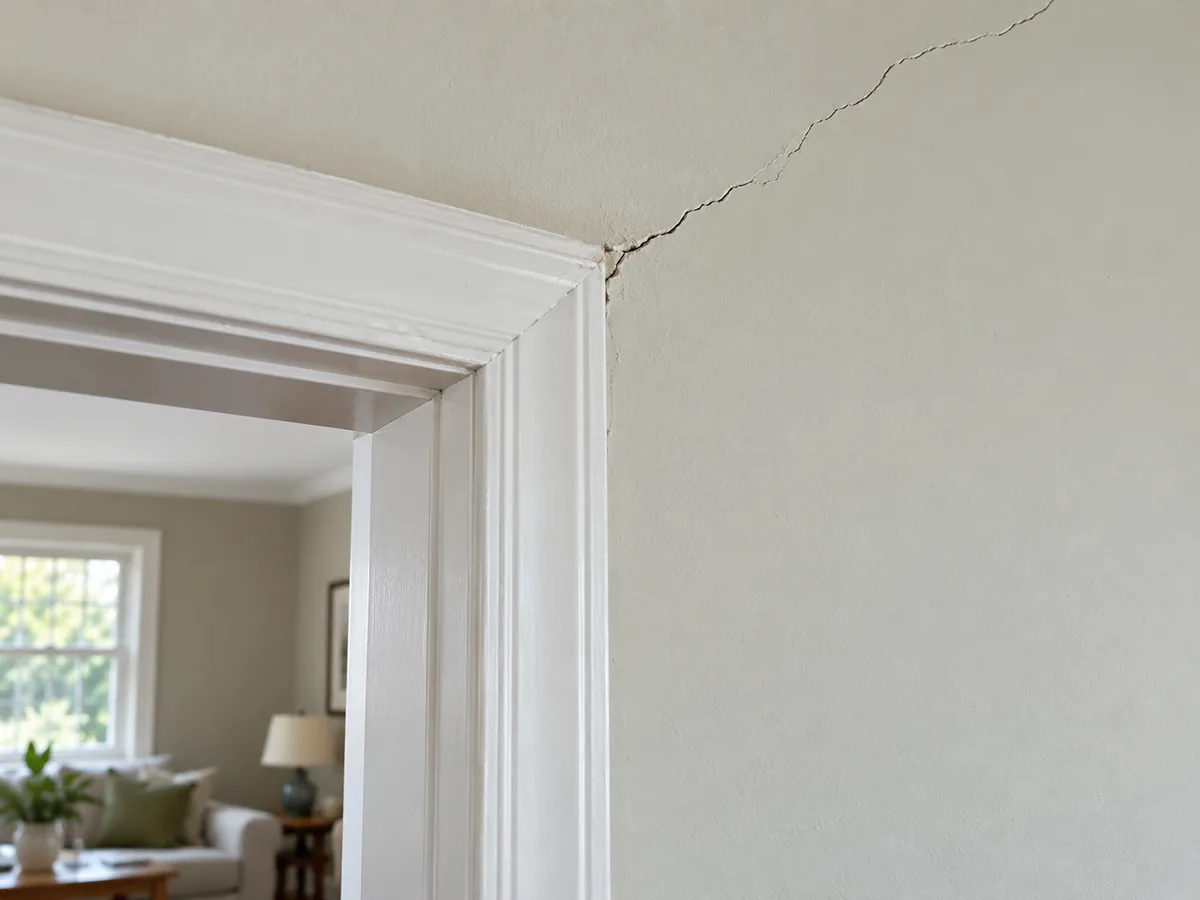
Wall Cracks: When to Worry and When It's Cosmetic
Hairline, diagonal, horizontal or stair-step: how to read a wall crack, track it and know when to call an engineer.

Seasonal and Safety Tips
A fall home maintenance checklist for New Jersey covers gutters, drafts, outdoor wood and safety checks before the first freeze. In most of northern NJ, that means finishing outdoor jobs between mid-October and early November. Below is what to check, when to do it and which jobs to hand to a pro.
Start in late September and finish outdoor work before the first freeze, which comes in mid-October in the northern highlands and weeks later near the coast. The timing matters because caulk, stain and paint need mild, dry days to cure.
According to the Office of the New Jersey State Climatologist, the average first fall freeze arrives at very different times across the state. Most towns in Essex and Union County sit between the highlands and the central interior, so a mid-October target works for most homes.
| Region | Average first freeze | Finish outdoor work by |
|---|---|---|
| Northern highlands | About October 12 | Early October |
| Central and southern interior | About October 19 | Mid-October |
| Seacoast | About November 9 | Late October |
Freeze dates: Office of the New Jersey State Climatologist at Rutgers University. Averages vary by year and by valley.
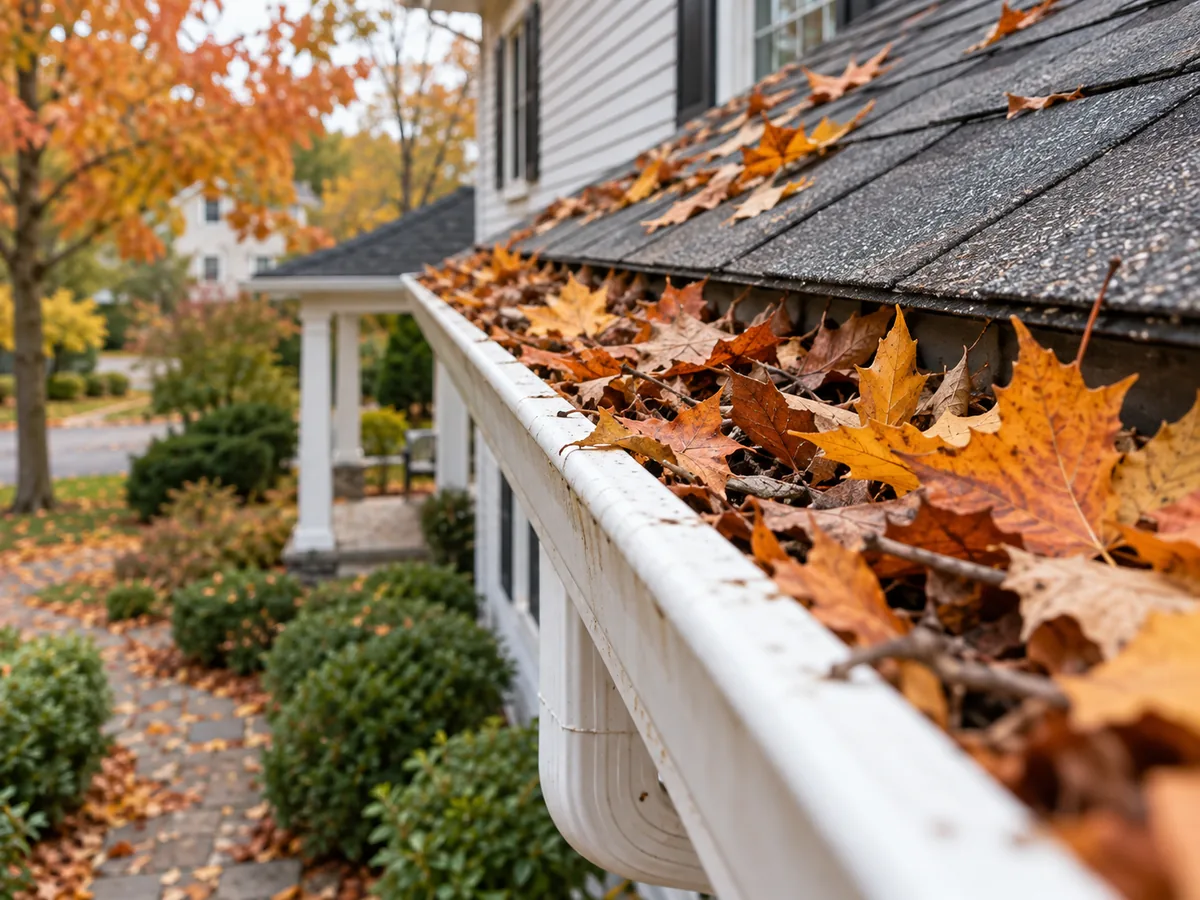
Clean gutters after most leaves have fallen, and check the wood behind them for rot. Clogged gutters overflow in fall storms and help form ice dams once New Jersey winter arrives.
Leaves, seeds and shingle grit collect in the gutter and block the downspout, so rain spills over the edge and soaks the fascia, the siding and the ground next to the foundation. In January, that same trapped water freezes along the roof edge.
Ladder work on a second story is where most homeowners stop. Our gutter cleaning service clears and flushes every run and flags any gutter that needs repair.
Press a screwdriver into the fascia board behind the gutter and the trim around windows. If the wood feels soft or the paint is peeling in patches, water has been getting in. Our guide on signs of wood rot shows what to look for before the damage spreads.
Seal drafts in fall, while it's still mild enough for weatherstripping and caulk to bond. A drafty door or window is one of the cheapest and most noticeable winter fixes.
Close the door on a sheet of paper. If the paper slides out easily, the weatherstripping is worn or compressed and cold air is getting through. Do the same test on the sides and the top of the door, and check the door sweep at the bottom.
Foam, V-strip and door sweeps each suit a different gap, and older wood doors in Essex County homes often need a small adjustment before new seals will work. Our weatherstripping service covers doors and windows in one visit.
Walk around the house and look where trim meets siding, around window frames and at any hole where a pipe or cable enters. Cracked or missing caulk lets water and air in. Most exterior caulks need a dry surface and temperatures above about 40°F while they cure, so this job belongs in October, not December.
Walk the deck and fence before winter and fix loose boards, popped nails and soft spots. Snow and repeated freeze-thaw cycles make small damage worse by spring.
Staining is a judgment call in fall. It works on dry days within the temperature range on the label, which is often early fall; after that, it's better to wait for spring. For bigger problems, like soft boards or a loose stair, our deck repair service fixes them before the snow does more damage.
Inside, the fall jobs are about safety and pipes: test the alarms, shut off outdoor water and get the heat checked before you need it.
October is Fire Prevention Month, which makes it an easy time to remember. The National Fire Protection Association recommends testing smoke alarms monthly and replacing any alarm that is 10 years old. The date of manufacture is printed on the back of each unit.
Test carbon monoxide alarms at the same time, especially near bedrooms and on any floor with a furnace, boiler or fireplace. Replace batteries in units that use them, and replace the whole alarm if it chirps after a new battery.
Water left in an outdoor faucet can freeze and split the pipe inside the wall, and the leak often isn't found until spring. Disconnect every hose, close the shut-off valve inside the house, then open the outdoor faucet to drain it. If a faucet drips after the valve is closed, that's a job for a licensed plumber.
Change the furnace filter yourself at the start of the heating season. The tune-up itself should be done by a licensed HVAC technician in September or October, before the first cold night fills their schedule.
Here is the full fall list with the best time for each job and who should do it. Most of it is DIY or handyman work; only a few jobs need a licensed trade.
| Task | When | DIY? | Who to call |
|---|---|---|---|
| Clean gutters and downspouts | Late Oct–Nov | From the ground only | Handyman for ladder work |
| Check fascia and trim for rot | Early Oct | Inspect yes, repair no | Handyman |
| Replace worn weatherstripping | October | Often yes | Handyman |
| Re-caulk exterior gaps | Before it drops below 40°F | Small gaps yes | Handyman |
| Fix loose deck boards and railings | October | Small fixes | Handyman |
| Clear leaves off the deck and patio | Oct–Nov | Yes | No pro needed |
| Test smoke and CO alarms | October, then monthly | Yes | Handyman to replace units |
| Shut off and drain outdoor faucets | Before the first hard freeze | Yes | Plumber if it leaks |
| Change the furnace filter | Start of heating season | Yes | No pro needed |
| Heating system tune-up | Sept–Oct | No | Licensed HVAC technician |
| Chimney inspection | Before the first fire | No | Chimney sweep |
| Check the attic after a heavy rain | After the first big storm | Yes | Roofer if there's a leak |
If your house was built before 1950, add two items to the list. Look at wood sash windows for loose glazing putty and failed paint, and check the basement walls for new cracks or damp spots after the first heavy rain. Both are easier and cheaper to fix in fall than after a winter of freeze-thaw cycles.
If most of your "handyman" rows are still open, group them. One visit for gutters, seals, caulk and deck fixes usually costs less than several separate trips.
These are the questions homeowners ask most about getting a New Jersey house ready for winter.
Clean them after most leaves have fallen, usually late October into November. Homes with a lot of trees often need two cleanings: one in early fall and one after the last leaves drop.
Keeping water out. Clear gutters, sealed gaps around doors and windows, and shut-off outdoor faucets prevent the most common winter damage in New Jersey homes.
Most exterior caulks need a dry surface and temperatures above about 40°F while they cure, so check the label. In northern New Jersey, that usually means finishing exterior caulking by late October.
Only on dry days that stay within the temperature range on the stain label, which is often early fall. If the window has passed, wait for spring. Our guide on deck stain vs paint explains which lasts longer in NJ.
Most of it: gutters, weatherstripping, exterior caulk, deck and fence repairs, and trim. Heating tune-ups, plumbing leaks and chimneys need licensed pros. Our seasonal home maintenance service groups the handyman part into one visit.
This guide was written by Joyce Parpinelli, SEO Strategist and Content Editor, and reviewed for accuracy by Victor Ramirez, founder of Csiszer Property Maintenance.

Joyce writes and edits the home repair guides for Csiszer Property Maintenance. She is the founder of WebJoy Sites and spent more than 15 years in aviation customer service and training before moving into SEO and content.
Read Joyce's Author Profile
Victor founded Csiszer Property Maintenance in New Jersey in 2024 and reviews every guide for accuracy on the job. [PREENCHER: experiência e especialidades do Victor]
Meet the Team Behind Our GuidesKeep going with the guides homeowners read next: spring upkeep, wood rot and door fixes.
Hairline, diagonal, horizontal or stair-step: how to read a wall crack, track it and know when to call an engineer.
A wide shot, a close-up and a tape measure: the photos and details that help a handyman review your job and, when they show enough, quote it without a visit.
Time, materials, access and older-home surprises: what moves handyman cost in NJ, and how to lower it before you ask.
Send photos of your gutters, drafty doors or deck, or describe the jobs, plus your town. We review them: if the photos show enough, you get a free written quote; if a job needs a closer look, we schedule a visit first, at no charge. Either way, the price is in writing before any work is scheduled.