Handyman Estimate Photos: What to Send for a Fast Quote
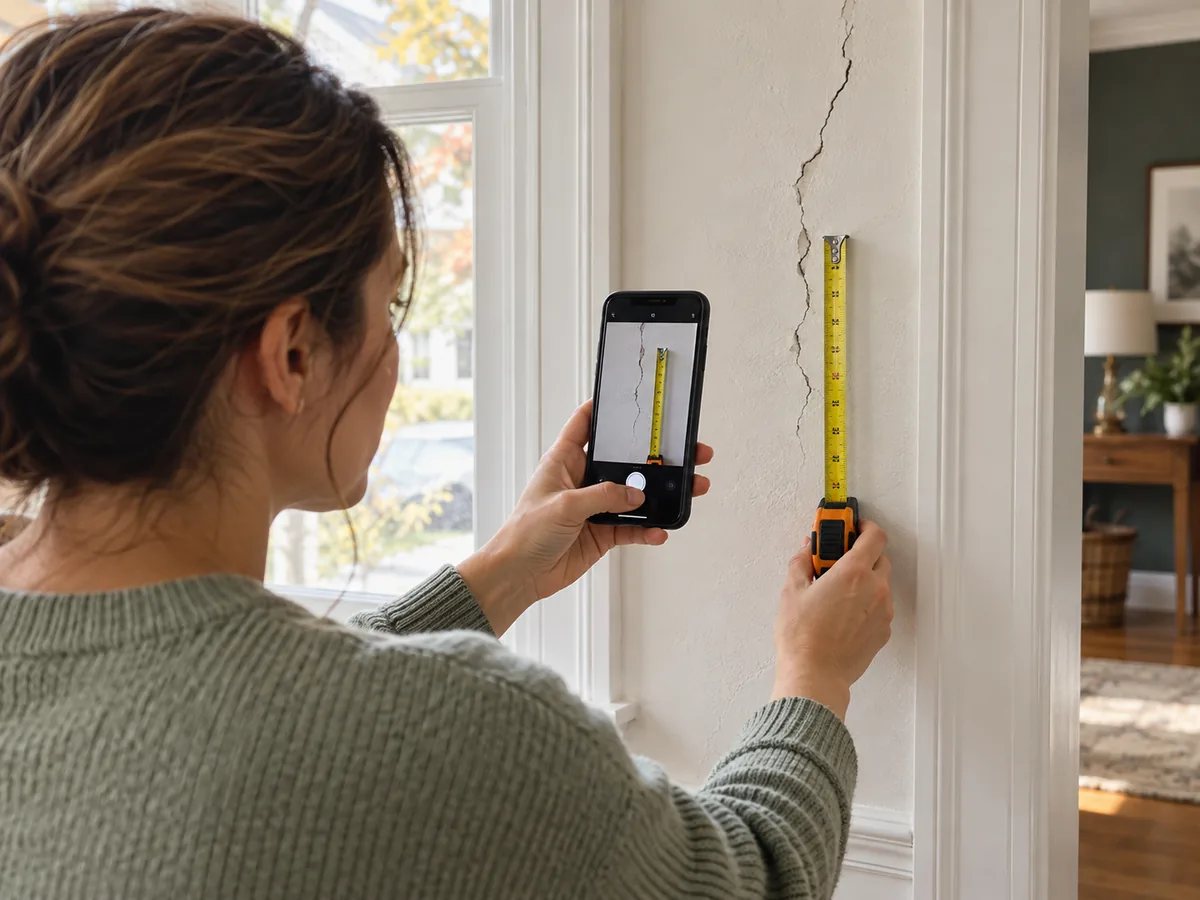
A wide shot, a close-up and a tape measure: the photos and details that help a handyman review your job and, when they show enough, quote it without a visit.
Handyman Hiring Guides
Handyman cost in NJ is set by four things: how long the work takes on site, the materials, how easy the job is to reach, and what the house hides behind the surface. A written quote based on good photos, or on a visit when the job needs one, turns those factors into one clear number. Below is how each factor works, how to lower your cost, and when a small job turns into a bigger project.
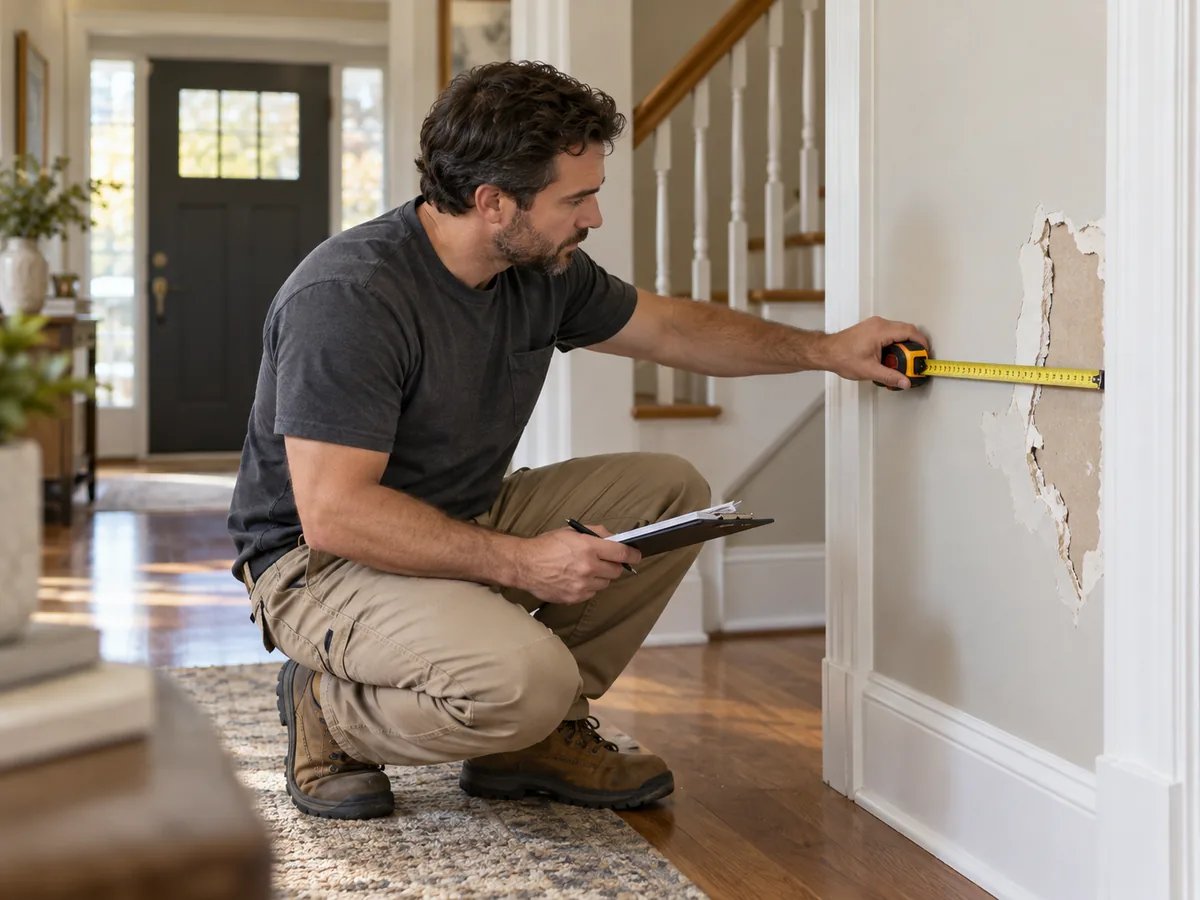
Handyman pricing in New Jersey comes down to labor time, materials, access and the condition of the house. Two jobs with the same name can land far apart once those four factors are counted.
That is why a price you read online rarely matches the price for your home. "Patch a hole in the wall" can mean a doorknob dent in modern drywall or a crumbling section of old plaster with loose lath behind it. The name of the job is the same; the work is not.
| Factor | Why it moves the price | What you can do |
|---|---|---|
| Time on site | Most of the cost is skilled labor, including drying time between coats of compound or paint | Group jobs that share a material, like several drywall patches |
| Materials | Doors, trim, tile, hardware and paint vary widely in price and in how easy they are to match | Say if you already have the material or the paint color name |
| Access | Tall ceilings, second-story exteriors, crowded rooms and tight parking add setup time | Clear the work area and mention stairs, ladders or parking limits |
| Age of the house | Plaster walls, out-of-square doors and old paint layers take more prep | Tell the year the house was built |
| Number of trips | Every return visit repeats travel, setup and cleanup | Share photos first so the right materials arrive on the first visit |
| Finish level | A patch that disappears under paint takes more passes than a "good enough" fix | Say which rooms matter most to you |
Labor is where most of a handyman bill goes, and it includes more than the minutes you see someone working. Drywall compound needs to dry before sanding, caulk needs to cure, and a door may need to come off its hinges twice before it closes right. A job that "takes ten minutes" often has an hour of prep and cleanup around it.
Materials matter less for their price than for how hard they are to match. Replacing one piece of trim in a 1920s Essex County colonial can mean finding a profile that is no longer sold. Matching wall texture, grout color or an old paint sheen adds time that a new house would not need.
Many older homes in Essex County still have plaster walls, original wood windows and several layers of paint. Plaster cracks and patches differently than drywall, and older frames are rarely square. None of this makes a job impossible; it just means the quote needs to know the house before it can be accurate.
A written handyman quote turns what you show us, through photos, a description or a visit, into one price for a defined scope, before any work is scheduled. It protects both sides: you know the cost, and the handyman knows exactly what was agreed.
At Csiszer Property Maintenance, an insured handyman company serving Essex County and Union County, NJ, you send photos or describe the job by phone, text or the website, along with your town. We review it: if the photos show enough, you get a free written quote; if the job needs a closer look, we schedule a visit first, at no charge.
A phone price is a guess, and guesses are either padded to cover the worst case or too low and then revised on site. Photos remove much of the guesswork. Our guide to handyman estimate photos shows the exact angles and measurements that help us review a job.
In New Jersey, charges to repair or maintain a home are generally subject to sales tax, while work that counts as a capital improvement can be exempt. The difference can change the total on your bill, so it helps to know it before you compare quotes.
According to the NJ Division of Taxation, a repair keeps the property at its existing value, while a capital improvement adds to its value or useful life. The state sales tax rate is 6.625%. For exempt work, the property owner gives the contractor a Certificate of Exempt Capital Improvement (Form ST-8).
Most handyman work, like patching, caulking, adjusting doors and replacing a damaged board, is repair and maintenance. When you compare two quotes, check whether both show tax the same way; one may look cheaper only because tax is added later.
The surest way to lower handyman cost is to reduce trips and guesswork: group jobs into one visit, send clear photos and have the work area ready. None of these steps lower the quality of the work.
Travel, parking, unloading tools, protecting floors and cleaning up happen once per visit, whether you book one job or six. Spread across several jobs, that fixed time costs less per job. Group jobs by room or by material: three drywall patches and a ceiling crack share the same compound, drying time and sanding.
Some small jobs grow when left alone. Failed caulk around a tub lets water reach the wall behind the tile, and a gutter overflow can soften the trim below it. Fixing them early keeps them in the small-job category.
A small job becomes a bigger project when the damage spreads past what you can see, when the scope crosses a legal line, or when another trade has to be involved. Knowing the signs helps you plan the budget and the right person to call.
| Sign | What it usually means | Who handles it |
|---|---|---|
| Soft wood or a stain that keeps spreading | A leak or rot beyond the visible spot | Fix the water source first, then the repair |
| Wiring or a pipe inside the repair area | Part of the job needs a licensed trade | Licensed electrician or plumber |
| Large wall or ceiling replacement | May move beyond ordinary maintenance | Check with the local construction office |
| Old ceiling texture or pipe wrap that may contain asbestos | The material has to be tested before anyone disturbs it | Licensed asbestos professional |
| Sagging floors or cracked framing | A structural problem, not a surface one | Contractor, often with an engineer |
The permit line in the table comes from an official rule. New Jersey's Uniform Construction Code treats many repairs as ordinary maintenance that needs no permit, and the NJ Department of Community Affairs lists interior finish work on less than 25% of a one- or two-family home's wall area in that group.
If you are not sure which side of the line your project falls on, our guide on handyman vs contractor compares the two by job size, licenses and permits.
These are the questions New Jersey homeowners ask most before they request a handyman quote.
It depends on the time on site, the materials, access and the condition of the house, so an honest price comes from photos or a quick look in person, not a phone guess. Send a wide shot and a close-up of each job with your town, or describe the work. We review it: if the photos show enough, you get a free written quote; if the job needs a closer look, we schedule a visit first, at no charge. Either way, the price is in writing before any work is scheduled.
Both models exist. Some handymen bill hourly, others give a fixed price per job or per visit. What matters most is that the written quote shows the full price and what it includes before work starts.
Often, yes. New Jersey generally taxes charges to repair or maintain real property, while work that qualifies as a capital improvement is exempt when the owner gives the contractor Form ST-8. Your written quote should show whether tax applies.
Usually, yes. Travel, setup and cleanup happen once per visit, so each extra job on the same visit carries less of that fixed cost. Grouping jobs by room or by material helps the most.
Because two jobs that sound the same can take very different time. A crack in drywall and a crack in old plaster, or a door that sticks from humidity versus a loose hinge, need different work. Photos close most of that gap, and when they cannot, a visit at no charge does.
This guide was written by Joyce Parpinelli, SEO Strategist and Content Editor, and reviewed for accuracy by Victor Ramirez, founder of Csiszer Property Maintenance.

Joyce writes and edits the home repair guides for Csiszer Property Maintenance. She is the founder of WebJoy Sites and spent more than 15 years in aviation customer service and training before moving into SEO and content.
Read Joyce's Author Profile
Victor founded Csiszer Property Maintenance in New Jersey in 2024 and reviews every guide for accuracy on the job. [PREENCHER: experiência e especialidades do Victor]
Meet the Team Behind Our GuidesKeep going with the guides homeowners read next: who to call, what photos to send and how minimum charges work.
A wide shot, a close-up and a tape measure: the photos and details that help a handyman review your job and, when they show enough, quote it without a visit.
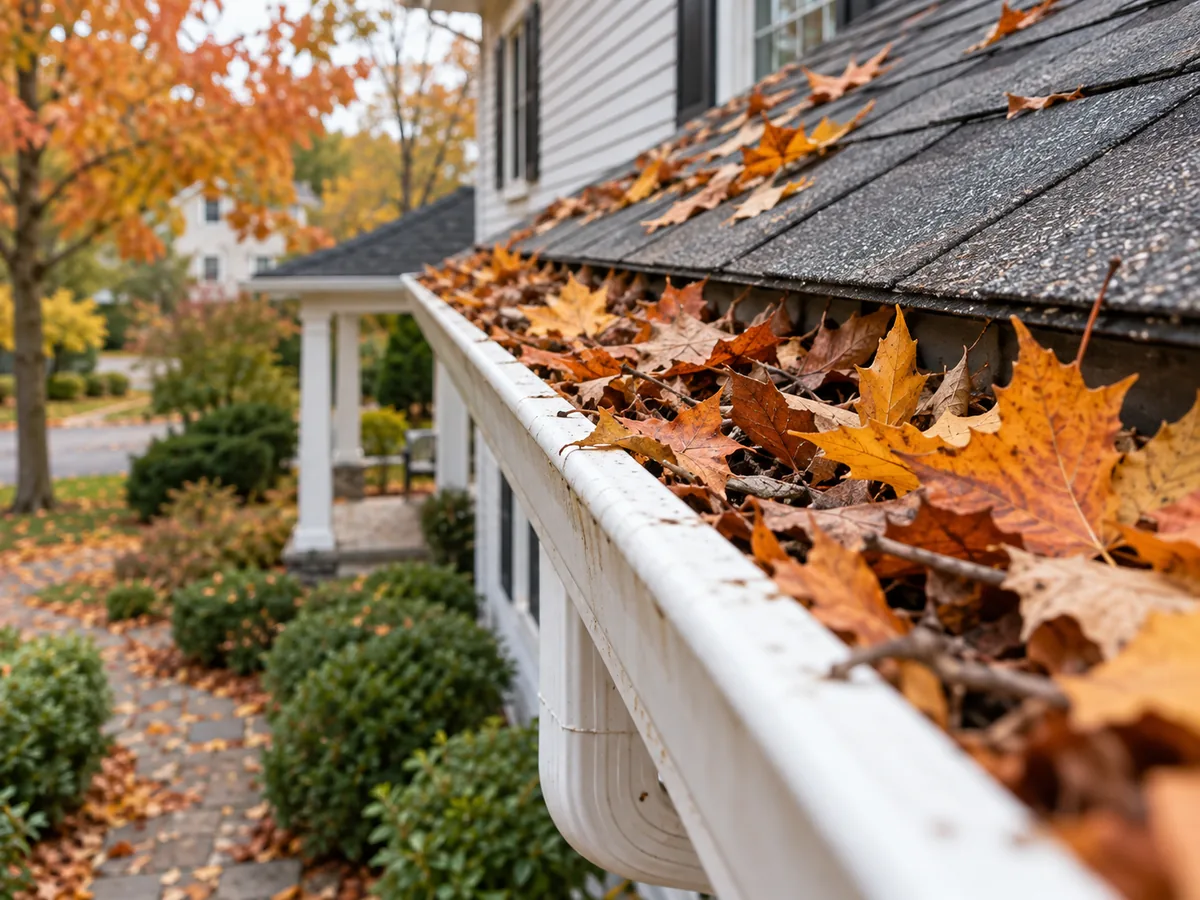
Gutters, weatherstripping, deck boards and exterior caulk: the fall jobs that protect a New Jersey home before the first hard freeze.
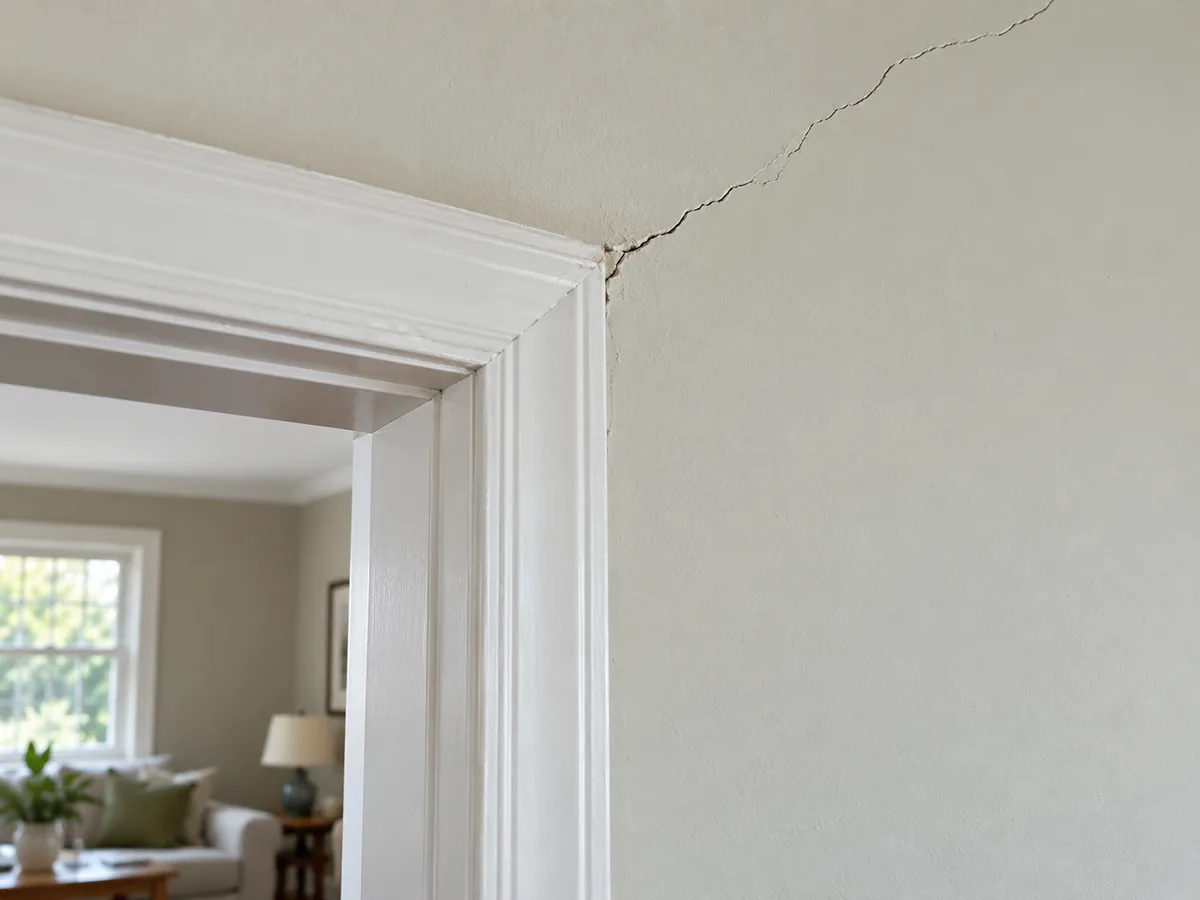
Hairline, diagonal, horizontal or stair-step: how to read a wall crack, track it and know when to call an engineer.
Send a photo of each job or describe the work, plus your town, by phone, text or the website. We reply within 1–2 business days, Monday to Friday, 8 AM to 5 PM: if the photos show enough, you get a free written quote; if a job needs a closer look, we schedule a visit first, at no charge.