Fence Installation
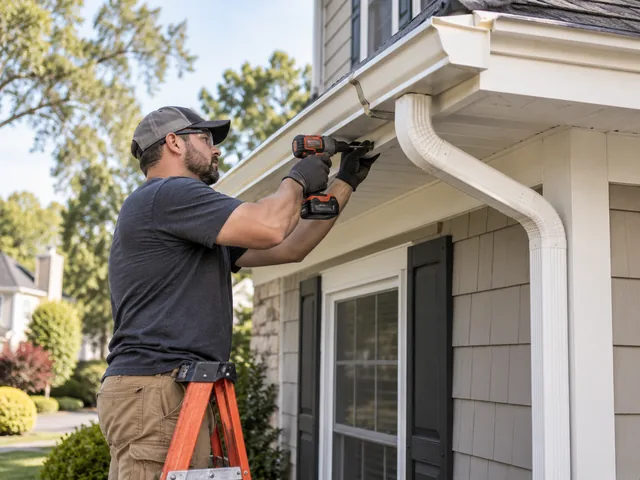
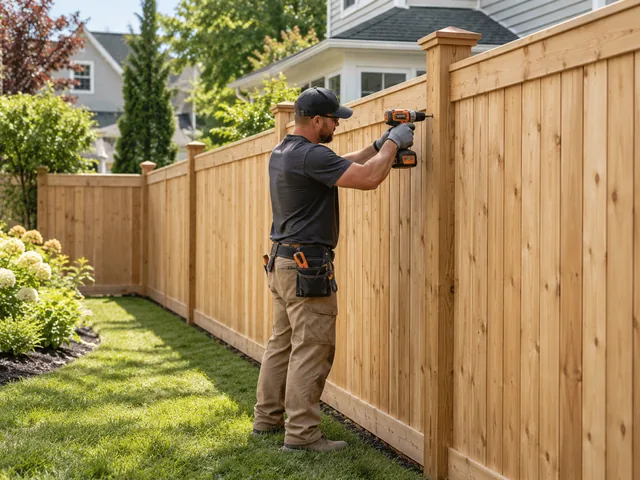
Wood and vinyl fences and gates installed straight, with utilities marked first.

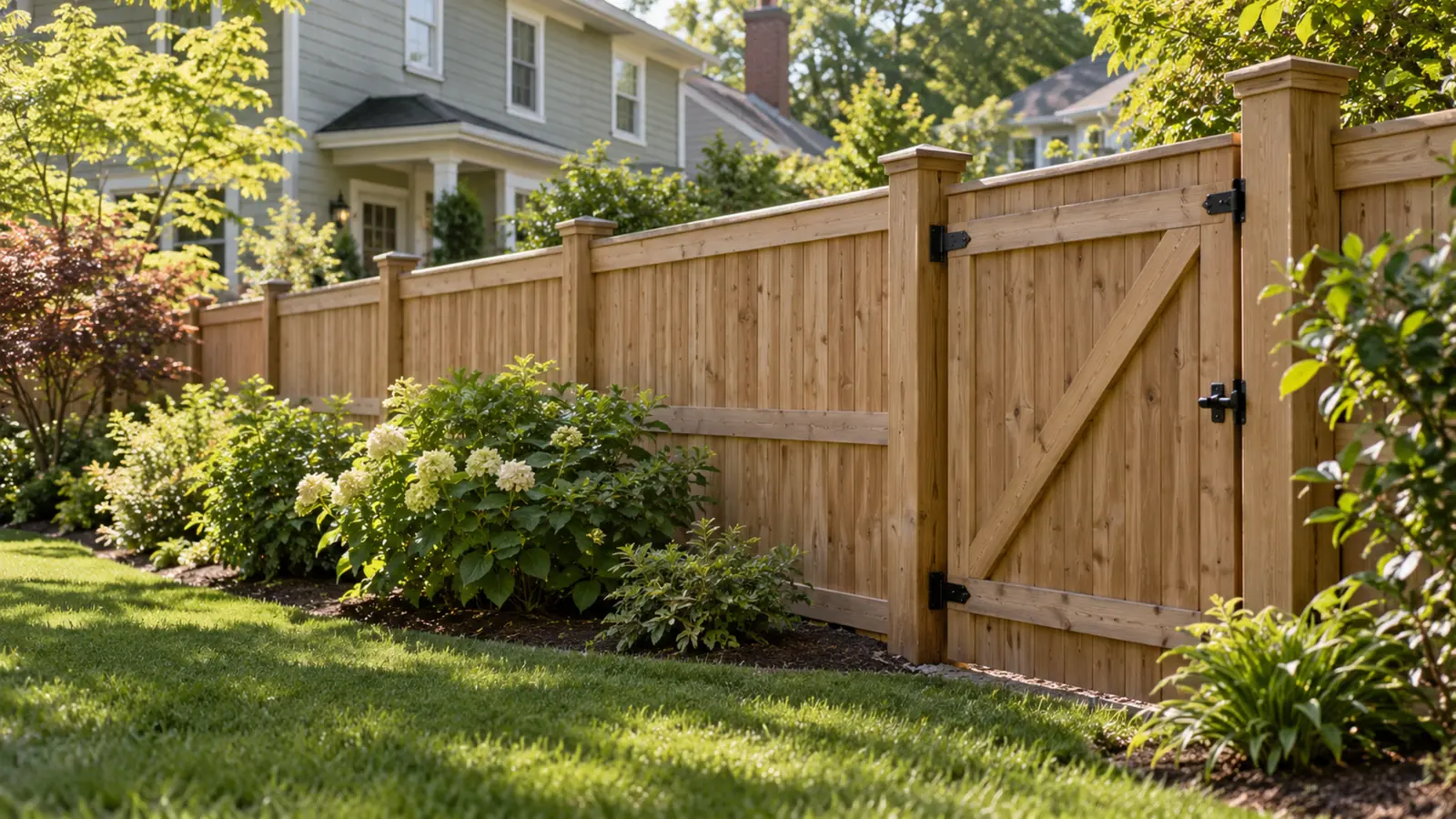
Serving Essex & Union County, NJ
Leaning posts reset or replaced, broken panels and pickets rebuilt, and sagging gates re-hung so they swing and latch again.
Get a fence repair quote
Fence repair fixes leaning posts, broken panels and pickets, and sagging gates so the fence stands straight and closes properly again. Csiszer Property Maintenance, an insured handyman company serving Essex County and Union County, NJ, repairs fences for homeowners and landlords after storms, frost heave or years of wear. We fix the cause of the lean, not just the lean you see.
Fence repair is resetting or replacing posts, rebuilding broken sections and re-hanging gates on an existing fence instead of replacing the whole run. It's part of our work as an exterior handyman for wood and vinyl fences.
Almost every fence problem starts at a post. In New Jersey winters, water in the soil freezes and expands, and frost heaving lifts posts that were set too shallow. Other posts rot right at the ground line, where wood stays wet the longest. Once a post moves, the panels on either side rack, pickets pop loose and the gate stops lining up with its latch.
That's why bracing a leaning post is rarely enough. A lasting fence repair finds out why the post moved, then resets it deeper, replaces it, or fixes the drainage around it. Resetting or replacing a post means digging, and New Jersey requires at least three business days' notice through 811 before any digging, so utilities are marked first. Gates get the same treatment: the hinge post is checked before the gate is re-hung, because a perfect gate on a leaning post sags again within a season.
Rotted or snapped posts dug out and replaced, set plumb and in line with the fence.
Posts lifted by frost reset deeper and firmed so the next winter doesn't move them.
Broken panels, rails and runs of pickets rebuilt to match the rest of the fence.
Gates re-hung on new hinges, braced and adjusted so they swing and latch.
Rusted hinges, latches and brackets swapped for new exterior-grade hardware.
Posts and rails reinforced where the fence takes wind or leans on a slope.
You need fence repair when a post leans, a panel breaks or the gate won't close. These are the six signs we see most after winter and storm season.
Frost heave or rot at the ground line is behind most leaning posts in spring.
A sagging gate usually means loose hinges, a moving hinge post or a missing brace.
Gaps let pets out and get worse as the rails around them lose support.
Nor'easter winds catch privacy panels like a sail and snap posts at the base.
If you can rock a post, it's rotted or loose at the base and will lean soon.
Landlords and sellers hear about loose gates and leaning runs at walkthroughs.
Our fence repair takes five steps: photos or a description, a review of the cause, a written quote, the repair and a final check of every gate and post.
Text or upload a photo of the whole fence, the leaning posts, the broken sections and the gate, or describe the damage, plus your town.
We look for frost heave, rot or drainage behind the damage. If the photos show enough, you get a written quote; if not, we schedule a visit to check the posts first, at no charge.
You get a written quote before anything is booked. Approve it and choose a weekday between 8 AM and 5 PM.
Posts are reset or replaced and set plumb, then panels, rails and pickets are rebuilt and fastened.
Gates are re-hung and adjusted to latch, every post is checked by hand, and debris and old wood are cleaned up.
Every fence repair includes the posts, panels, gates and hardware it takes to fix the damage. Surveys, masonry and anything electrical are left to other pros.
Included
Not included: needs another pro
Fence repair cost depends on the number of posts, how many panels need work, whether the gate is involved and whether posts go in concrete. Photos help us review the job, and the price is in writing before anything is scheduled.
Fence repairs are quoted by the job, so the price covers removal, new posts or parts, hardware and cleanup. Posts are the biggest factor: resetting a post that frost lifted is a different job from digging out one that rotted and broke off below the ground.
Panels and gates come next. A few loose pickets are quick; a full privacy panel has to be built or sourced to match. Old concrete around a broken post takes time to break out. Include every problem along the fence in one request so the whole run is quoted together.
| Factor | How it affects the price | Example |
|---|---|---|
| Number of posts | Each post reset or replaced adds digging and setting time | One leaning post vs. four along a run |
| Panels and pickets | Full panels take more material than a few pickets | Three loose pickets vs. a broken privacy panel |
| Gate | Re-hanging, bracing and new hardware add a step | New hinges only vs. a rebuilt gate frame |
| Concrete | Old footings have to be broken out; new ones take material | A post in soil vs. a post in old concrete |
| Matching the style | Custom profiles and older wood sizes take work to match | Standard dog-ear pickets vs. a custom top |
| Access | Tight side yards and slopes slow the work | An open backyard vs. a narrow side path |
Why do posts move every spring? Our guide fence post leaning after winter explains frost heave in plain terms.
Most fence repairs fail because the post was braced instead of fixed, or water still collects at its base. Here's what to avoid, how to decide between repair and replacement, and how to get ready.
Six mistakes cause most fences to lean again: bracing a rotted post, concrete that's flat or cupped at the top, posts set too shallow, a gate brace running the wrong way, hinge screws in rotted wood and ignoring the downspout.
A brace holds a rotted post up for a while, then both fail. Rot at the ground line means a new post.
Concrete that holds water around the post rots it early. The top should slope away from the wood.
Shallow posts are the ones frost lifts. Resetting deeper is what stops the yearly lean.
The diagonal brace should run from the bottom hinge corner up to the top latch corner, or the gate sags.
New hinges on soft wood pull out in weeks. The post or gate frame has to be sound first.
A downspout draining along the fence keeps soil wet around the posts and speeds up heave and rot.
Repair when most posts are solid and the damage is limited to a few posts, panels or the gate; replace when rot runs along many posts or the whole run leans. For a new run, see wood fence installation.
Six small things make the visit faster. After a storm, our storm damage checklist for NJ homes shows what to photograph for your insurer first.
Choose us for fence repair because one insured team fixes the reason a post moved, rebuilds what broke and gives you the price in writing first.
Digging, resetting posts and hanging gates is done by an insured handyman company.
Leaning posts, broken panels and the sagging gate go on one written quote before work starts.
Frost heave, rot and drainage are checked, so the post doesn't lean again next spring.
Hinge posts checked, gates braced the right way and hardware adjusted until they close.
Boards and pickets matched in size, profile and wood type to the fence you have.
Utilities are marked before a post is dug out or reset, so no shovel hits a buried line.
These are the questions people ask most before a fence repair. For other outdoor jobs, see all our exterior repair services.
Usually frost heave or a rotted post. In New Jersey, wet soil freezes and lifts posts that aren't set deep enough, and posts rot at ground level where water sits. See fence post leaning after winter.
Csiszer Property Maintenance, an insured handyman company serving Essex County and Union County, NJ. A single post can be reset, braced or replaced without taking down the fence, as long as the panels on either side are solid.
Only with both owners' OK. Work on a shared fence needs agreement from both sides, so settle that first and the repair is quoted from there.
Boards and pickets are matched as closely as possible in size, profile and wood type. New wood looks brighter at first and weathers over time, and stain can help blend it.
Yes. Most sagging gates come from loose hinges, a leaning hinge post or a missing diagonal brace. The hinge post is checked first, then the gate is re-hung with new hardware and braced.
Yes. Cracked vinyl panels and loose posts are replaced with matching parts when they're still available. Send a close-up of the panel and a photo of the whole fence.
Yes. Broken panels, snapped posts and gates knocked off their hinges are common after nor'easters. For what to check first and what goes to your insurer, see our storm damage checklist.
Repair when most posts are solid and the damage is limited to a few sections; replace when many posts are rotted at the ground line or the whole run leans. For a new fence, see wood fence installation.
It depends on the soil and the fence. When concrete is used, the top is shaped to shed water away from the post, because water pooling at the base is what rots posts early.
Yes. Downspouts that dump water along the fence line soften the soil around the posts. Downspout repair or gutter installation can go on the same visit.
Still have a question about your fence?
Send it with a photo. We answer by phone, text or email, Monday to Friday, 8 AM to 5 PM.
If the fence is past repair or the water causing the damage comes off the roof, one of these fits better. Checking the deck too? See deck repair or replace.
Wood and vinyl fences and gates installed straight, with utilities marked first.
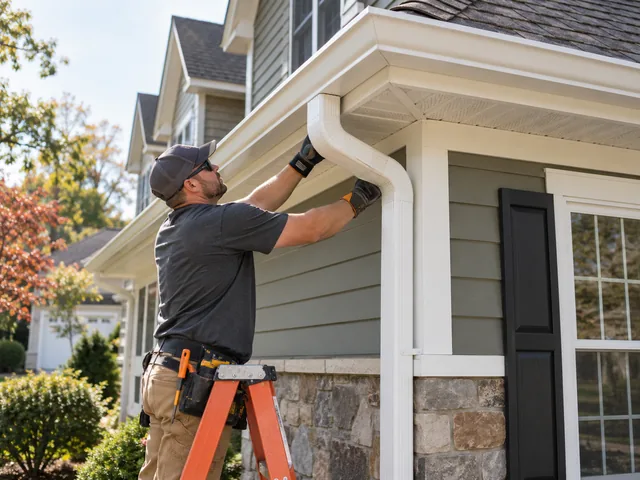
Leaking seams, sagging runs and loose downspouts fixed to move water away.
New gutters and downspouts installed with the right pitch to protect the house.
Send photos of the whole fence, the leaning posts, broken sections and gate, or describe the job, and request your free fence repair quote. We review it: if the photos show enough, you get a written quote; if the posts need a closer look, we schedule a visit first, at no charge.
Request a fence repair quote