Grout Repair
Cracked, missing or stained grout removed, refilled and sealed in showers and floors.
Serving Essex & Union County, NJ
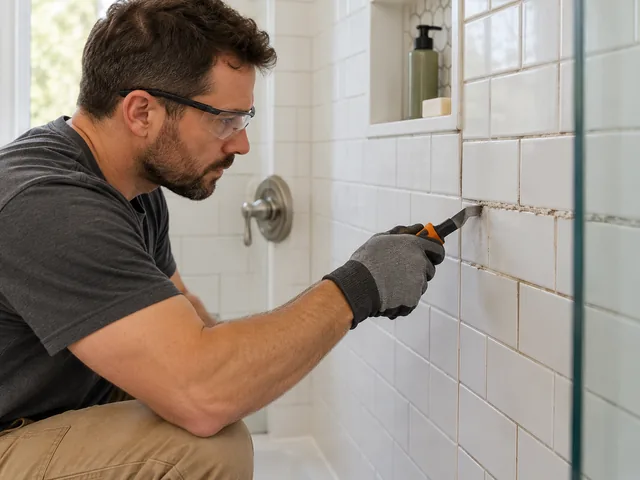
Moldy, cracked or peeling caulk cut out completely, the joint cleaned and dried, and new mold-resistant silicone laid in one clean bead.
Get a tub and shower caulking quote
Tub and shower caulking removes old, moldy or cracked caulk around a bathtub or shower and replaces it with new mold-resistant silicone sealant, so water stays out of the walls. Csiszer Property Maintenance, an insured handyman company serving Essex County and Union County, NJ, does it for homeowners, landlords and businesses, from one tub to every bathroom in a rental. The old bead comes out completely, the joint is cleaned and dried, and the new bead cures before anyone showers.
Tub and shower caulking seals the joints where the tub, shower pan, tile and trim meet and move, using flexible silicone sealant instead of rigid grout. It's one of our bathroom handyman services, and it never touches the pipes or valves.
Grout and caulk look alike but do different jobs. Grout fills the rigid joints between tiles. Caulk goes where two surfaces meet and move against each other: the line where the tub meets the wall, the inside corners of a shower and the gap around a tub spout. A tub full of water and a person is heavy enough to flex that joint every time it's used, which is why grout in that line cracks and why caulk is the right material there.
Caulk fails for predictable reasons: new sealant laid over old, a joint that was still damp, or a bead that never bonded to clean tile. A lasting job is slower than a quick bead from the hardware store, because the old caulk has to come out down to bare surfaces and the joint has to be dry first. When the grout between the tiles is the part that's cracked or missing, grout repair is the right job instead.
The joint where the tub meets the tile or surround, the one that moves most and fails first.
Inside corners and the line along a shower pan or base, where water sits after every shower.
Black or pink caulk cut out completely, so mildew isn't sealed in under the new bead.
Gaps around tub spouts, valve trim and shower door frames sealed against splashes.
The line where a vanity top or backsplash meets the wall, recaulked in the same visit.
Every tub in a unit resealed at turnover, so the next tenant doesn't move in with mildew.
Recaulk when the bead is dark, cracked, peeling or pulling away, or when a stain shows up below the bathroom. These are the six we see most.
Mildew growing inside the bead, not on top of it, means the caulk has to come out.
A thin shadow line where caulk pulled away lets water run behind the tile every shower.
It usually went over old caulk or soap film and never bonded to the tub or tile.
Corners move the most, so small cracks show up there first and grow each season.
Failed caulk or a leak can cause it. If water keeps coming, a plumber checks the pipes first.
Tiles that move near the tub can mean water got behind them, so the tile needs a look too.
Our tub and shower caulking takes five steps: photos or a description, a review or a visit at no charge, a written quote, full removal of the old caulk, and a new bead left to cure.
Text or upload close-ups of the caulk lines, one photo of the whole tub or shower and a photo of any stain on the ceiling below.
We look for mildew under the bead, loose tile and signs of a leak. If the photos show enough, we write the quote; if they leave a question, we schedule a visit first, at no charge.
You get a written quote before anything is booked. Approve it and choose a weekday between 8 AM and 5 PM.
The old caulk is cut and scraped out, residue and mildew are cleaned off, and the joint is dry before anything new goes in.
New mold-resistant silicone goes in as one continuous bead, tooled smooth. You hear how long to wait before using the tub or shower.
Every caulking job includes full removal of the old bead, cleaning, new silicone and cure instructions. The only things left out are jobs New Jersey reserves for a licensed pro.
Included
Not included: needs a licensed or certified pro
New Jersey licenses plumbers through the State Board of Examiners of Master Plumbers, and electrical work of 10 volts or more needs a contractor licensed by the Board of Examiners of Electrical Contractors.
Tub and shower caulking cost depends on the length of the joints, the number of tubs and showers, and how much old caulk and mold has to come out. Photos help us review the job, and the price is in writing before anything is scheduled.
Caulking is priced by the job, and most of the work is removal, not the new bead. Well-bonded old silicone, several layers from past quick fixes, or mildew that has soaked deep into the bead all take longer to get out cleanly, and skipping that step is what makes a new bead fail.
Landlords and property managers get the most from one visit when every tub in the building is quoted together. Homeowners can add a vanity top, a kitchen sink or bathroom accessories installation to the same trip.
| Factor | How it affects the price | Example |
|---|---|---|
| Length of the joints | Longer runs and surrounds with many corners take more removal and sealing | A standard tub vs. a walk-in shower with a bench |
| Number of fixtures | Each tub, shower or vanity adds its own removal and cure | One tub vs. every bathroom in a two-family house |
| Old caulk layers | Several layers or strongly bonded silicone take longer to remove | One old bead vs. three layers from past quick fixes |
| Mold severity | Surface mildew cleans off; stains inside the bead mean full removal | Light spots vs. black lines along the whole tub |
| Condition of the joint | Cracked grout or loose tile nearby may need repair before caulking | A clean joint vs. a loose bottom row of tile |
| Other jobs in the same visit | Grouping small bathroom jobs gets more done for one trip | Recaulking plus regrouting the shower floor |
For the early signs that caulk has already let water through, read our guide on when to recaulk a shower.
Most caulk fails early because it went over old caulk, onto a damp joint or with the wrong product. Here's what to avoid, how to choose between cleaning and replacing, and how to get ready.
Six mistakes cause most tub and shower caulk failures: new caulk over old caulk, sealing a damp joint, painter's caulk in a wet joint, caulking an empty tub, grout where caulk belongs and showering before it cures.
The new bead bonds to the failing one, not to the tub, and peels away with it before long.
Water trapped under the bead keeps mildew growing from the inside, where no cleaner can reach.
Acrylic caulk is made for trim. Joints that get wet every day need a sealant made for baths.
Many tubs flex down when filled. Sealing one empty can stretch the new bead the first time it's used.
Grout is rigid. In the tub-to-wall joint it cracks as the tub moves, and water follows the crack.
Water on uncured silicone can weaken the bead. The wait is printed on the product, and we tell you.
Clean it when the mildew sits on the surface; replace it when the stain is inside the bead or the caulk is loose. Our guide Black Mold in Shower Caulk goes deeper.
Six small things make the job cleaner and help the bead last. Not sure whether it's caulk or pipes? Read handyman vs plumber NJ first.
Choose us for recaulking because one insured team removes the old caulk completely, flags a possible leak before sealing, and puts the price in writing first.
Tubs and showers in homes, rentals and businesses are recaulked by an insured handyman company.
Photos of each bathroom are reviewed, and every tub in a building goes on one written quote.
The old bead comes out down to clean surfaces, so the new one bonds to the tub and the tile.
If a stain points to a pipe, you hear it first, so a licensed plumber can check before we seal.
Caulk, grout, a loose tile and a new towel bar can all be handled and quoted in the same visit.
Tubs and showers get a mold-resistant silicone made for wet areas, never acrylic painter's caulk.
These are the questions people ask most before recaulking. For other jobs in the room, see all our bathroom services.
It depends on the length of the joints, the number of tubs and showers, and how much old caulk and mold has to come out. Send photos or describe the job: if the photos show enough, you get a written quote; if it needs a closer look, we visit first, at no charge. Either way, the price is in writing before anything is scheduled.
Sometimes. If the spots wipe off and the bead is still stuck down, cleaning works. If the stain is inside the caulk or it's pulling away, it has to be replaced. Our guide on black mold in shower caulk explains the difference.
It depends on the sealant. Silicone has to cure before it gets wet, and each product prints its cure time on the label. We tell you the exact wait for the product used before we leave.
Csiszer Property Maintenance, an insured handyman company serving Essex County and Union County, NJ, recaulks tubs and showers. New caulk over old is the most common reason a bead fails, so the old one is cut and scraped out, and the joint is cleaned and dried before any new silicone goes in.
It can be failed caulk or a leak. If the stain grows when nobody showers, or keeps coming back after the tub is sealed, a licensed plumber checks the pipes first. Our guide on handyman vs plumber in NJ explains who handles what.
For tubs and showers, a mold-resistant silicone sealant made for wet areas. Acrylic painter's caulk works on trim, but it breaks down in joints that get wet every day.
No. Anything connected to the water supply or drain is done by a licensed master plumber, as New Jersey law requires. We seal around the fixtures once any plumbing work is done.
There's no fixed schedule. Recaulk when the bead darkens, cracks, peels or pulls away. Running the bathroom fan after showers and wiping the joint dry help a new bead last longer.
Yes. Landlords and property managers can share photos of each bathroom, we visit at no charge if needed, and you get one written quote for the whole building, with every tub resealed during the turnover.
Yes. Cracked grout is handled as grout repair and loose or cracked tiles as tile repair, and both can be quoted together with the caulking.
Still have a question about your tub or shower?
Send it with a photo. We answer by phone, text or email, Monday to Friday, 8 AM to 5 PM.
If the grout is cracking, a tile is loose, or you need a towel bar or cabinet put up, one of these fits better.
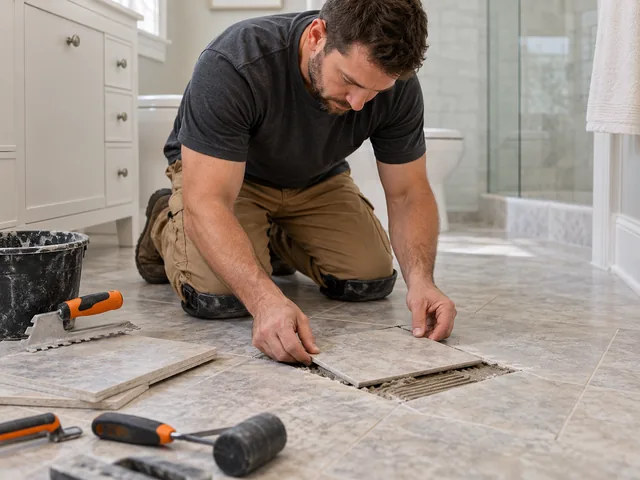
Cracked, missing or stained grout removed, refilled and sealed in showers and floors.
Cracked, chipped and loose tiles cut out and replaced with the closest match.
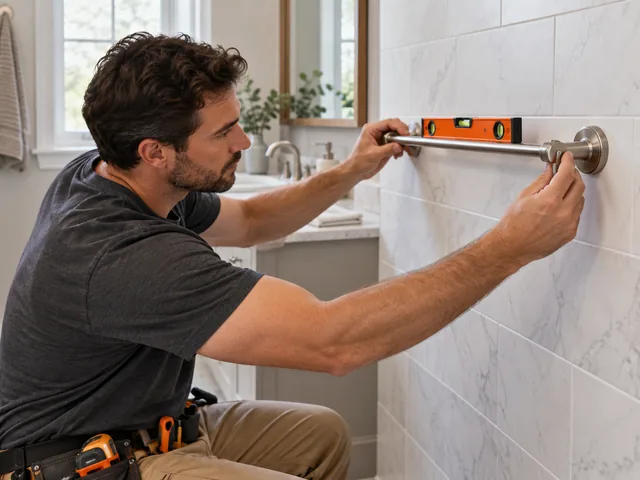
Towel bars, holders, medicine cabinets and rods anchored solidly to any wall.
Send close-ups of the caulk lines, one photo of the whole tub or shower and any stain on the ceiling below, or describe the job, and request your free tub and shower caulking quote. If the photos show enough, you get a written quote; if the job needs a closer look, we schedule a visit first, at no charge.
Request a tub and shower caulking quote