Deck Repair
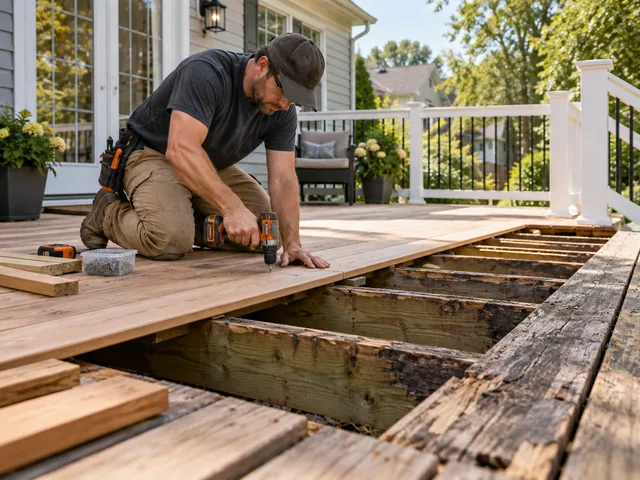
Rotted boards, loose railings and wobbly stairs repaired or replaced.

Serving Essex & Union County, NJ
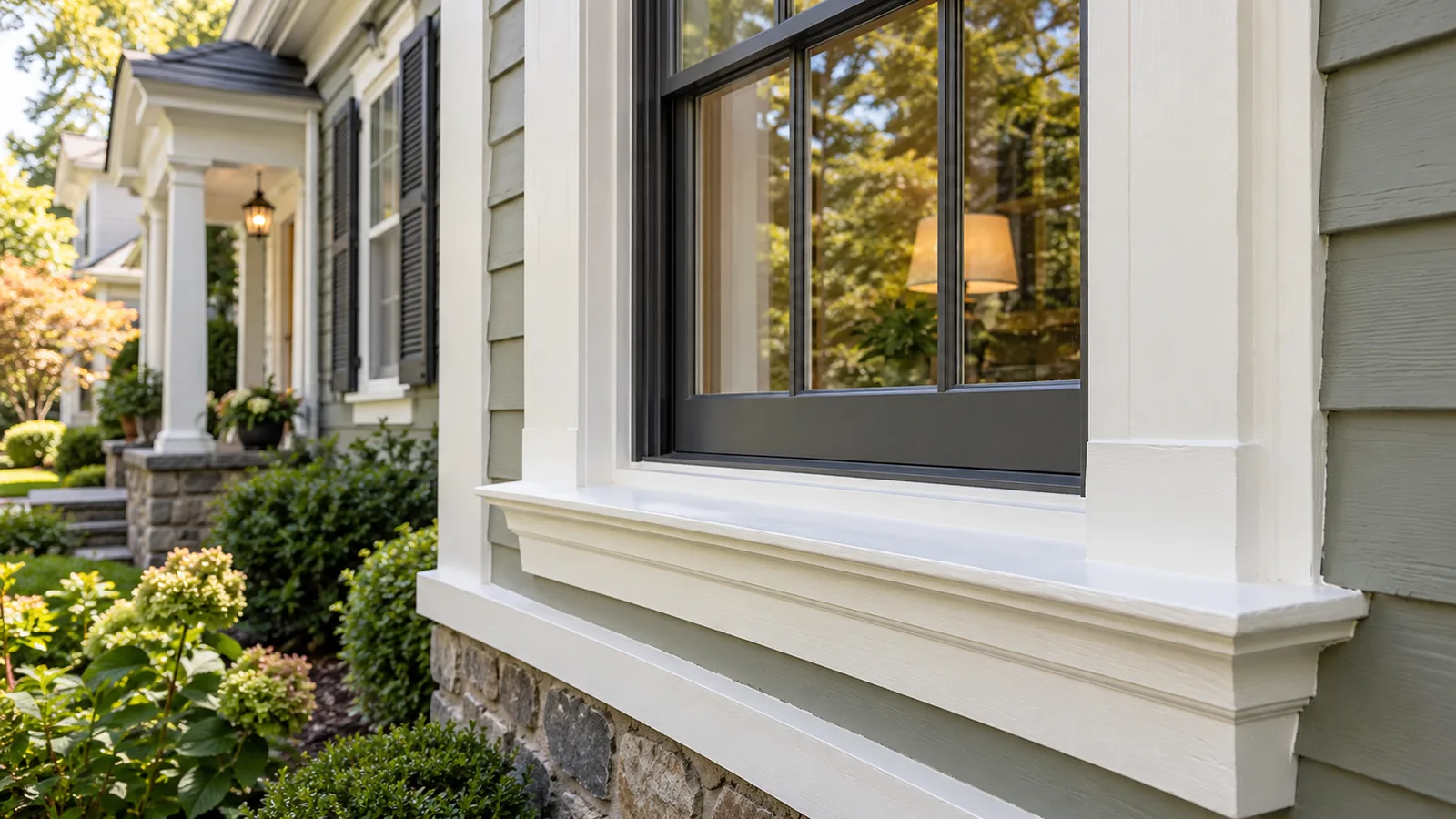
Soft trim, fascia, soffits and sills repaired with epoxy or replaced, then primed and painted, with the source of the water pointed out.
Get a wood rot repair quote
Wood rot repair removes soft, decayed wood from exterior trim, fascia, soffits and window sills and rebuilds it with epoxy or a new section, before water reaches the framing behind it. Csiszer Property Maintenance, an insured handyman company serving Essex County and Union County, NJ, repairs rot for homeowners, landlords and sellers, from one soft sill to rot along a whole roofline. Every repair is primed and painted, and the source of the water is pointed out.
Wood rot repair cuts out or consolidates wood decay caused by fungi that grow in wet wood, then rebuilds the piece and seals it with primer and paint. It's one of our exterior handyman services, alongside gutter, deck and fence work.
Rot is a water problem first and a wood problem second. Decay fungi only grow in wood that stays wet, so rot shows up where water sits: the bottom corners of window sills, the ends of fascia boards behind an overflowing gutter, door trim that touches the porch floor, and the lower edge of corner boards where rain splashes back. Older homes in Essex County, with decades of paint layers and original trim, often hide rot under paint that still looks intact.
A lasting repair has three parts. The soft wood is removed until only sound wood is left, the piece is rebuilt with epoxy or a new section that's primed on every side, and the water source is dealt with. Skip the last step and the new wood rots in the same spot. That's why the visit ends with where the water is coming from, whether it's a clogged gutter, a missing caulk joint or a sill with no slope.
Door and window casings, corner boards and brick molding repaired or replaced to match the profile.
Soft fascia behind the gutters cut out and replaced so gutters have solid wood to hold.
Sagging or stained soffit boards under the eaves replaced and vented areas kept open.
Rotted sill ends and front edges rebuilt with epoxy or a new sill section, window left in place.
Small, shallow rot hardened with consolidant, filled with epoxy and shaped to the original profile.
New wood and epoxy primed on all exposed sides and painted so water can't soak in again.
You need wood rot repair when exterior wood feels soft, looks dark and cracked, or keeps shedding paint in one spot. These are the six signs we see most on New Jersey homes.
Sound wood resists a firm push. If the tip sinks in or the wood crumbles, rot is already inside.
Paint that keeps bubbling at a sill corner or trim end usually sits on wood that stays wet.
Brown wood split into small cubes is a classic sign of decay, most often at the ends of boards.
Gaps at the corners of casings let rain into end grain, where rot starts and spreads out of sight.
Gutters that pull away at one spot often hang on fascia that has gone soft behind them.
Water stains or a dip in the soffit point to wet wood above, often from overflow or a roof edge leak.
Our wood rot repair takes five steps: photos or a description, probing the wood, a written quote, removing and rebuilding the rot, then primer, paint and cleanup.
Text or upload close-ups of the soft or peeling wood and one photo of the whole wall or roofline, or describe it, plus the year the house was built if you know it.
We check how far the rot goes and where the water comes from. If the photos show enough, you get a written quote; if they can't show the depth, we schedule a visit to probe the wood first, at no charge.
The quote says which pieces get epoxy and which get replaced. Approve it and choose a weekday between 8 AM and 5 PM.
Soft wood is cut back to sound wood, then filled with epoxy or replaced with a new section that matches the profile.
New wood is primed on every side, joints are caulked, the repair is painted and the debris is cleaned up before we leave.
Every wood rot repair includes probing, the repair or replacement, primer and paint. What's left out is structural framing and work the law reserves for a licensed or certified pro.
Included
Not included: needs a contractor, licensed or certified pro
Wood rot repair cost depends on how far the rot goes, how high the damage is, the material and how much painting is needed. Photos help us review the job, and the price is in writing before anything is scheduled.
Wood rot repairs are priced by the job, so the quote covers removing the rot, the epoxy or new wood, primer, paint and cleanup. The hardest part to price from a photo is depth: a soft corner on a sill can stop an inch in or run the length of the board. That's why the quote may note a probe on arrival for spots the photos can't show.
Catching rot early is where the savings are. An epoxy repair on a sill corner is a small job; the same sill a few winters later often needs a new section, and fascia left soft can take the gutter down with it.
| Factor | How it affects the price | Example |
|---|---|---|
| Extent of the rot | Deep or long rot means replacing a section instead of an epoxy fill | A soft sill corner vs. a whole sill |
| Number of spots | Several repairs in one visit spread the setup across more work | Three sills and a corner board |
| Height | Fascia and soffits need ladders and more careful setup | A porch post vs. a second-floor fascia |
| Material | Matching an old trim profile takes more shaping than stock boards | Flat stock vs. a custom sill profile |
| Painting | Spot-priming is quicker; painting the full piece blends the repair | A touch-up vs. repainting the trim |
| Water source | Fixing the cause in the same visit adds work but stops repeat rot | A repair plus caulking the joints |
To catch rot before it spreads, read signs of wood rot on trim and window sills.
Most rot comes back because soft wood was covered instead of removed, or the water source was never fixed. Here's what to avoid, how to choose epoxy or replacement, and how to get ready.
Six mistakes cause most repeat rot repairs: filler over soft wood, not finding the water source, leaving end grain unprimed, nailing to rotted backing, painting over damp wood and sealing every edge shut.
Wood filler or caulk pressed over rot hides it for a season. The decay keeps spreading underneath.
New wood in the same wet spot rots again. The gutter, joint or flat sill has to be fixed too.
Board ends soak up water like a straw. New pieces need primer on every side, cut ends included.
Fresh trim nailed to soft sheathing or framing works loose. What's behind the trim gets checked first.
Paint traps moisture in wood that hasn't dried, and it blisters and peels by the next season.
Some joints are meant to let water drain. Caulking the drip edge under trim can trap water behind it.
Use epoxy when the rot is small and the rest of the piece is sound; replace the section when the rot is deep or long. Rotted deck boards follow the same rule in our deck repair service.
Six small things help the quote and the repair.
Choose us for wood rot repair because one insured team removes the rot, rebuilds the wood and paints it, and you see the price in writing first.
Trim, fascia, soffits and sills on homes, rentals and businesses are rebuilt by an insured handyman company.
You get a written quote before anything is scheduled, with the spots marked for epoxy or replacement.
The same team rebuilds the wood and paints it, so there's no second contractor to find and schedule.
You hear where the water comes from, so the repair isn't back in the same spot in two winters.
If rot reaches the framing, you hear it before any trim work starts, so the right pro comes in.
New wood and epoxy are primed on all exposed sides and painted, because bare wood soaks up water.
These are the questions people ask most before a wood rot repair. For other outside jobs, see all our exterior repair services.
It depends on how far the rot goes, how high the damage is, the replacement material and how much painting is needed. Send close-ups and a photo of the whole area, or describe the damage: if the photos show enough, you get a written quote; if the rot needs a closer look, we visit first, at no charge. Either way, the price is in writing before anything is scheduled.
Press a screwdriver into the wood where paint peels or water runs. Sound wood resists; rotted wood feels soft or crumbles. Our guide Signs of Wood Rot on Trim and Window Sills shows the early signs to check each spring.
Small, shallow rot can be repaired with epoxy once the soft wood is removed and the area is dry. Larger or deeper rot is cut out and replaced with a new section, then primed and painted.
Only if water keeps getting in. Rot needs moisture to spread, so the source, such as an overflowing gutter, missing caulk or a flat sill, is pointed out during the visit and can be fixed in the same job.
Water runs down and sits on flat surfaces and end grain, so sill fronts, the bottoms of corner boards and the bases of porch posts stay wet the longest. Those are the first spots to probe each spring.
Rot makes wood soft, dark and cracked across the grain. Termites leave tunnels inside wood that can look sound on the surface, often with mud tubes nearby. If there are signs of insects, have a pest control company inspect before the wood is repaired.
Csiszer Property Maintenance, an insured handyman company serving Essex County and Union County, NJ. A sill with rot at the ends or the front edge can often be repaired with epoxy or a new sill section, and the window stays in place. Replacing the whole window is a different job.
Then it's structural and goes to a general contractor or a structural engineer. If the probe goes through the trim into soft studs, rim joists or rafter tails, you'll hear it right away, before any trim work starts.
Yes. New wood and epoxy are primed on all exposed sides and painted, because bare wood soaks up water and starts the rot again.
Yes. Rot often shows up on deck boards and fence posts too. Add them to the same request through our deck repair service, fence repair service or fence installation service, and everything is quoted together.
Still have a question about soft wood?
Send it with a photo. We answer by phone, text or email, Monday to Friday, 8 AM to 5 PM.
If the rot is on deck boards, fence posts or a fence that's past saving, one of these fits the job.
Rotted boards, loose railings and wobbly stairs repaired or replaced.
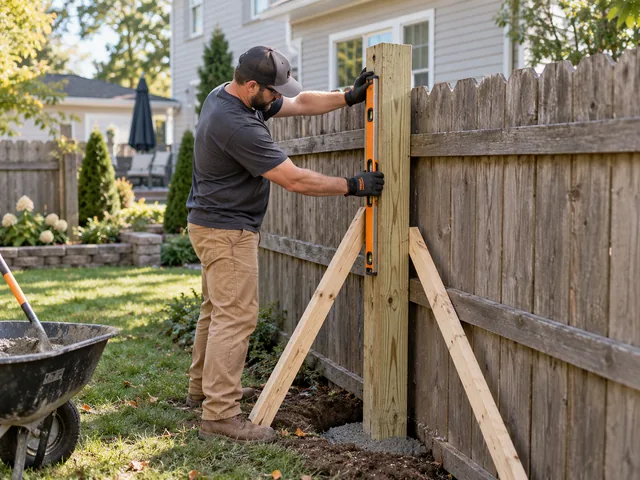
Leaning posts, broken panels and sagging gates fixed after storms.
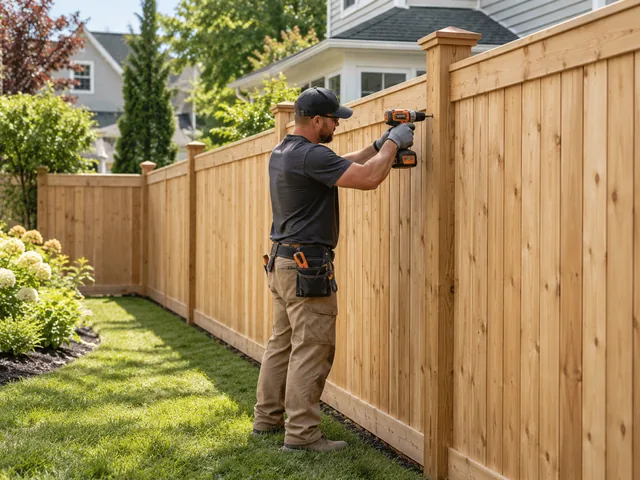
Wood and vinyl fences and gates installed straight and level.
Send close-ups of the soft wood and one photo of the whole area, or describe the job, and request your free wood rot repair quote. We review it: if the photos show enough, you get a written quote; if the rot needs a closer look, we schedule a visit first, at no charge.
Request a wood rot repair quote